

Ep 38 - The Bellhop and the Sardines
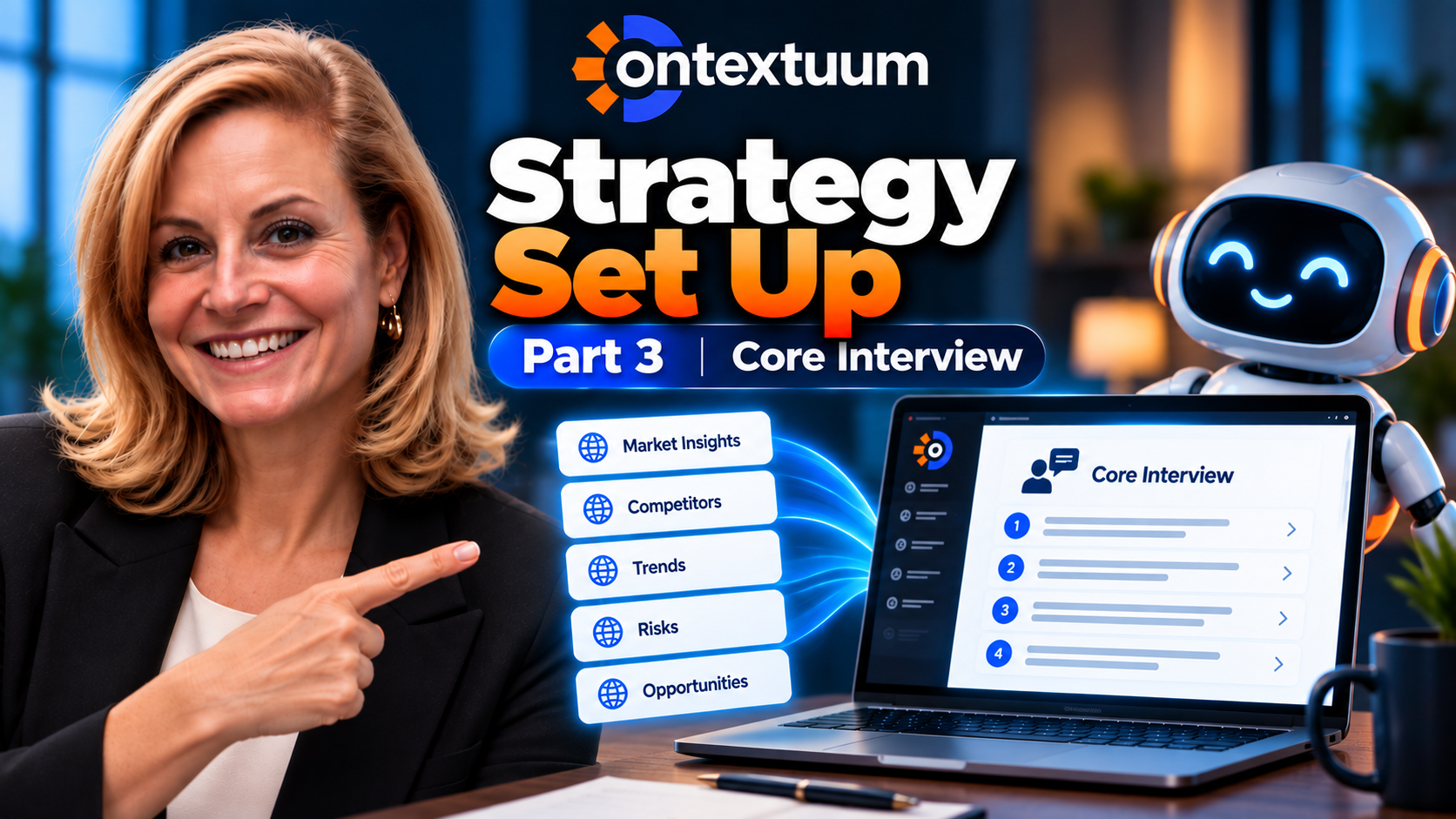
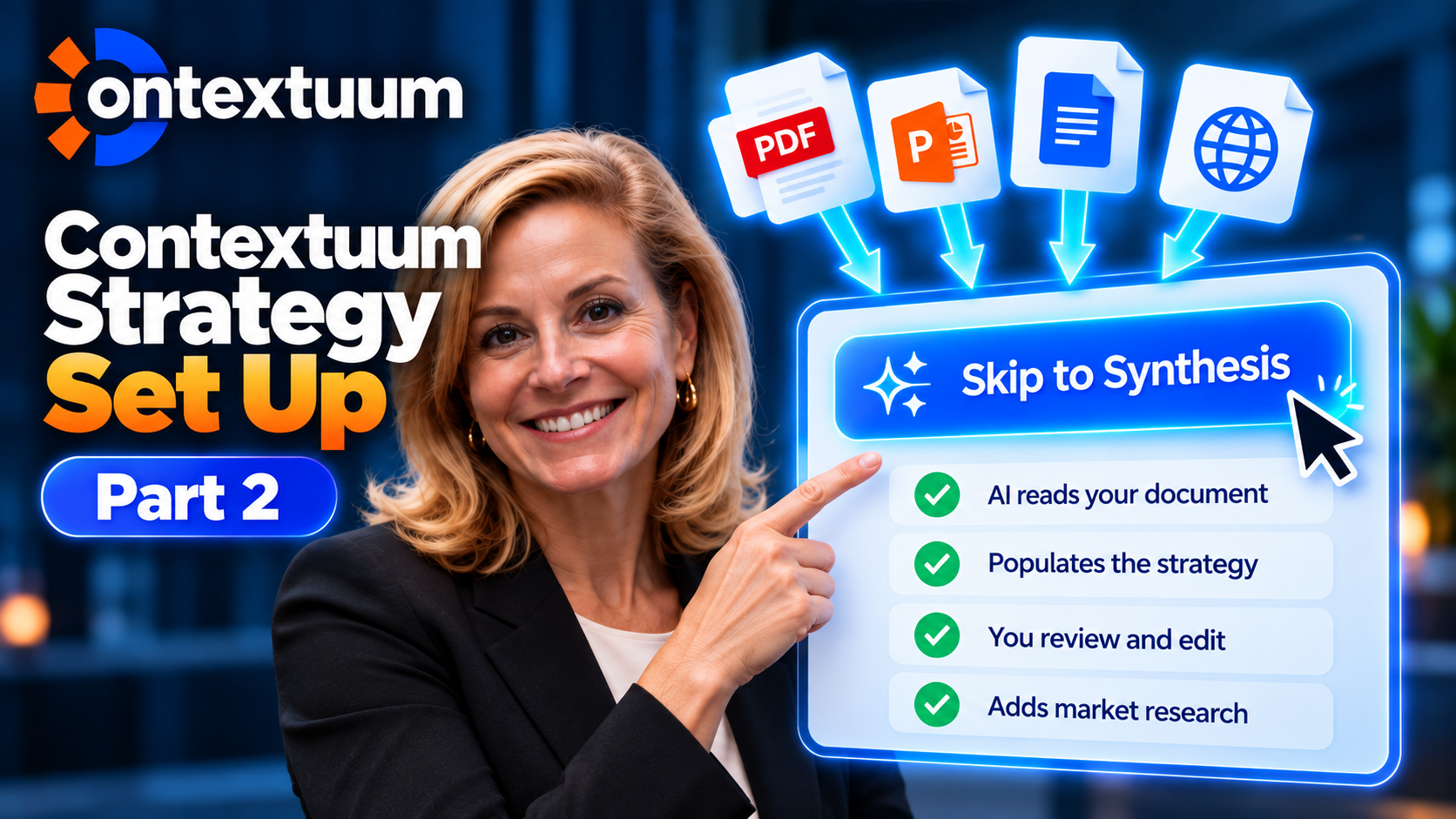
Most strategy activation programs fail for a counterintuitive reason: employees don't lack information, they lack rehearsed judgment. Town halls, PDFs, and cascaded briefings transmit content, but the moment that matters — an employee facing an ambiguous tradeoff with no manager present — receives no training at all. Francis Wade and Amie Devero trace this to a schema problem: strategy must be encoded — not summarized — before an LLM can generate believable, role-specific dilemmas. Devero's Contextuum platform captures two hundred strategic fields, then produces thirty to forty adaptive scenarios per employee, echoing real cases like Trader Joe's staff improvising off-menu solutions that perfectly embodied unstated company strategy without any KPI or script telling them to. The implication: schemas, not slide decks, are becoming the real strategic asset — distinctiveness, not complexity, determines whether an AI-generated experience can reliably produce judgment. As LLMs personalize activation by role, strategy execution shifts from static communication toward scenario-based rehearsal. **Timestamps:** **00:09:52** A junior partner accepts an off-strategy project because client-service rules override stated strategy at the moment of decision **00:27:03** Culture doesn't emerge from KPIs or training—it emerges from strategy itself, if the strategy stays genuinely alive in the organization **00:36:01** No training, incentive, or KPI could explain a Trader Joe's employee recommending Amazon—only deep internalization of strategy did **01:01:53** Contextuum's strategy schema contains roughly two hundred JSON fields, though most companies only need forty-five to fifty to be distinct **01:22:37** The schema isn't a function of strategic complexity—it's a function of distinctiveness, and only an LLM can deliver that at scale







Not Rated Yet