
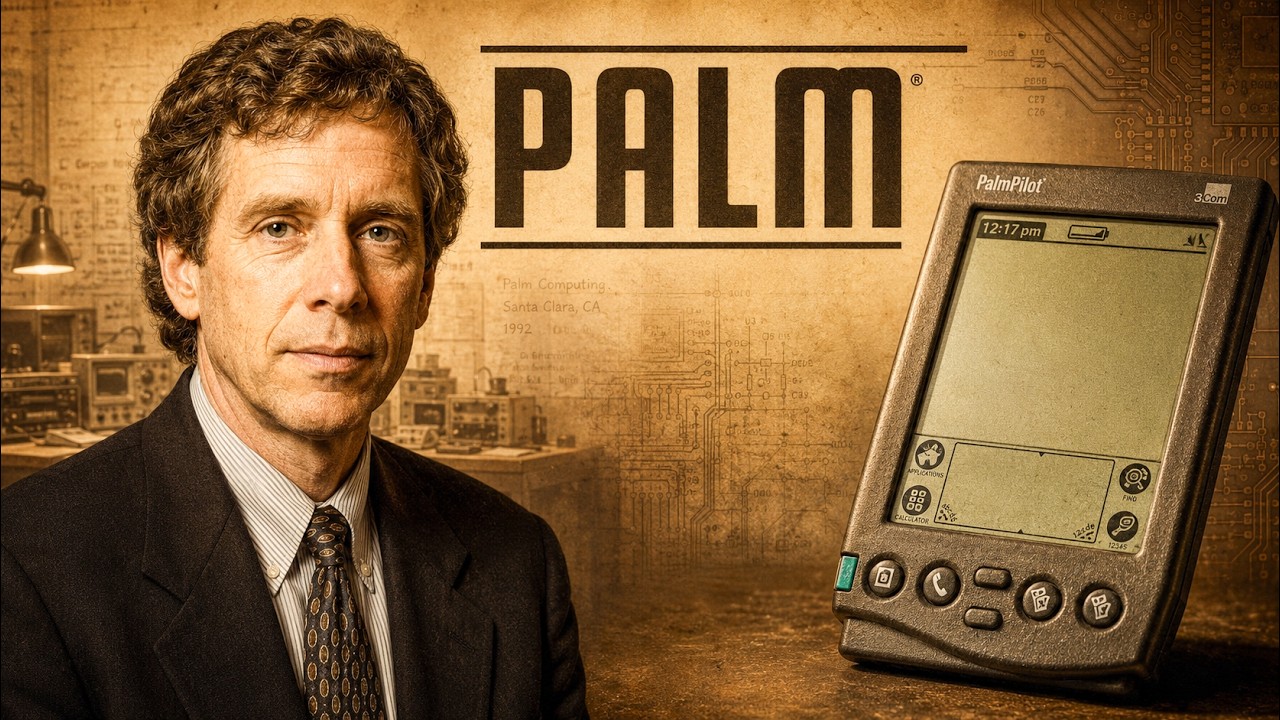
The Rise and Fall of Palm, the Santa Clara Startup That Built the First Smartphone and Lost to Apple
- English (US)
Jeff Hawkins tested the smartphone's core insight with a carved block of wood and a chopstick stylus, years before writing a line of production code. Palm's IPO would value it at $53 billion; its eventual sale, a decade later, fetched just $1.2 billion.
What Happened to NASA
- English (US)
NASA put men on the moon by 1969, then by 2011 paid Russia to fly its own astronauts to orbit. The failure wasn't underfunding — it was a mission accomplished with no second mission to replace it.
How Just One Man Destroyed America's Manufacturing Industry
- English (US)
General Electric's 1953 annual report boasted of balancing workers, shareholders and customers evenly. By 1999, its chairman was crowned Manager of the Century for dismantling that exact balance — and calling it genius.
The Trendslop Trap: Why AI Generates Mediocrity Instead of Strategy
- English (US)
Seven leading AI models, tested across dozens of industries with complex strategic questions, produced functionally identical answers regardless of context — Harvard Business Review researchers named this convergence phenomenon "trendslop."
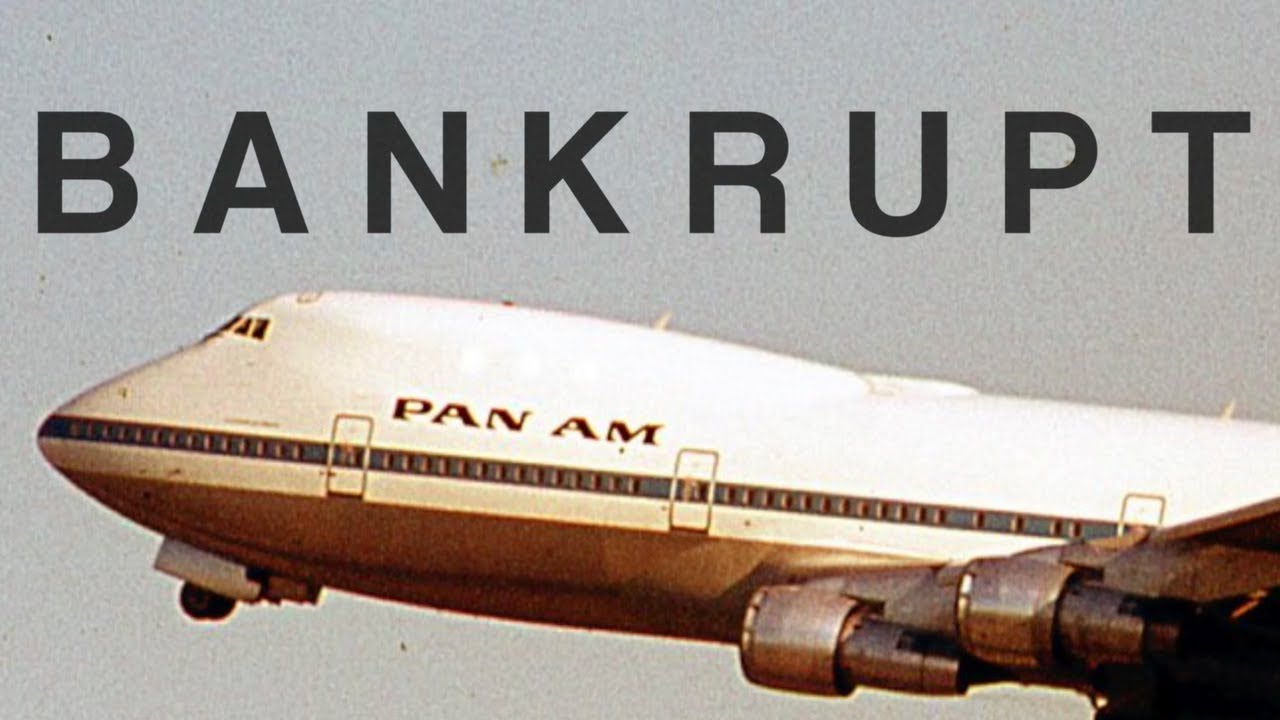
Bankrupt - Pan Am
- English (US)
Pan Am's collapse offers a counterintuitive lesson: pioneering an industry creates structural vulnerabilities invisible during prosperity. The world's first scheduled international airline, the launch customer for the Boeing 747, and the brand that defined global aviation went bankrupt not because it innovated too little—but because every strategic asset became a liability when conditions inverted.
Amazon's Inevitable Enshitification...
- English (US)
Amazon's customer obsession was always going to curdle—not because of mismanagement, but because the unit economics of online retail mathematically forbid sustaining a loss-leader marketplace at scale. The company that built the world's most efficient distribution network is now extracting value from every stakeholder simultaneously because its core retail operation barely turns a profit even with petabytes of data and captive Prime subscribers.
When Being Better Isn’t Enough...The Fall Of Slack
- English (US)
Slack's defeat by Microsoft Teams demonstrates a counterintuitive principle: superior product quality cannot overcome inferior distribution economics. Slack invented business messaging, achieved a $1.1B valuation in eight months without an outbound sales team, and grew via pure word-of-mouth—yet Teams captured 37% market share to Slack's 13% by bundling rather than competing.
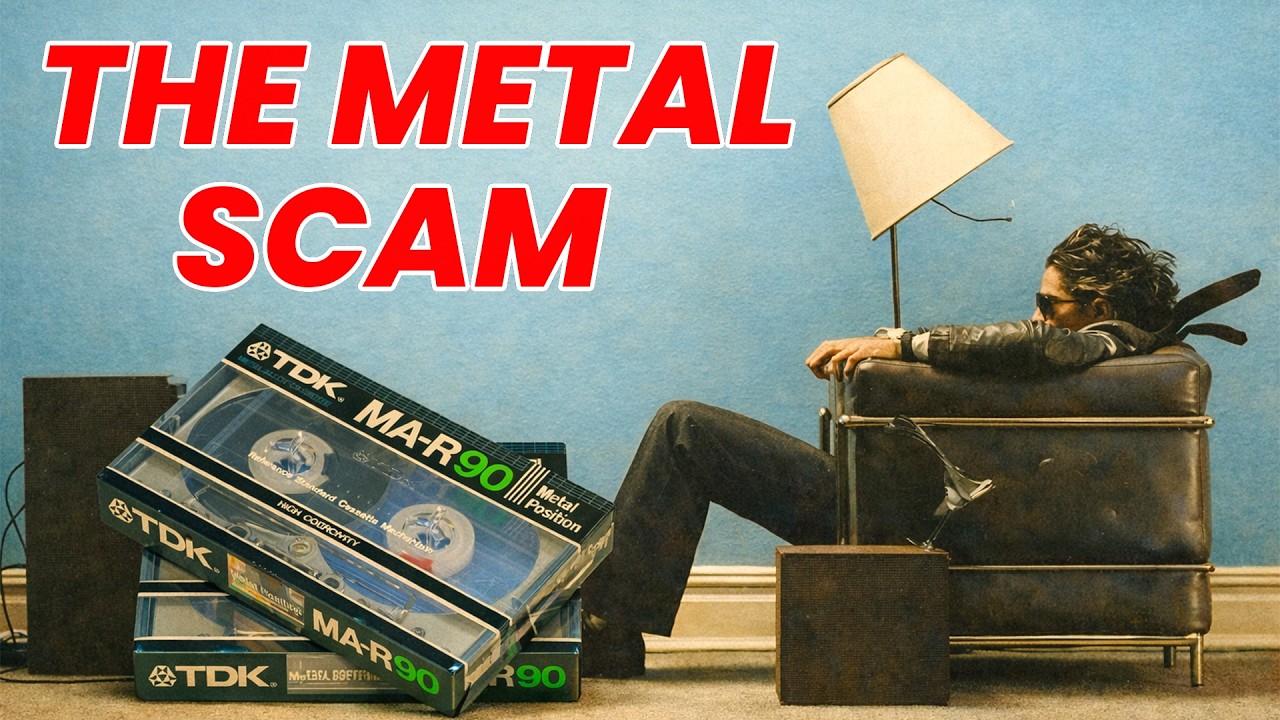
The RUTHLESS 1980s Cassette Wars That FOOLED America (And Vanished)
- English (US)
The cassette wars reveal a strategic lesson buried under nostalgia: consumer technology categories are won by emotional positioning, then killed by the architects of their success. TDK, Maxell, and Memorex didn't compete on tape chemistry—they sold identity. Sony, the company that made cassettes a lifestyle via the 1979 Walkman, simultaneously engineered their successor.

Orlando — How To Ruin A City
- English (US)
Urban planning's most instructive failure: a city of 3M+ residents systematically optimized for visitors who don't vote. Orlando's dysfunction isn't accidental—it's the predictable output of strategic choices that prioritized one corporation's economic logic over municipal coherence. Disney's 1965 acquisition of 40 square miles of swampland (twice Manhattan) via shell corporations established the template.

Zoom — From $160 Billion Pandemic Hero to 90% Stock Collapse
- English (US)
Zoom's collapse exposes a category-theory error that destroyed nearly $140B in market capitalization: pandemic conditions priced the company as structural infrastructure when video conferencing was always a feature, not a platform. Daily meeting participants surged 30x between December 2019 and April 2020—from 10M to 300M users—yet the demand was temporary by design.
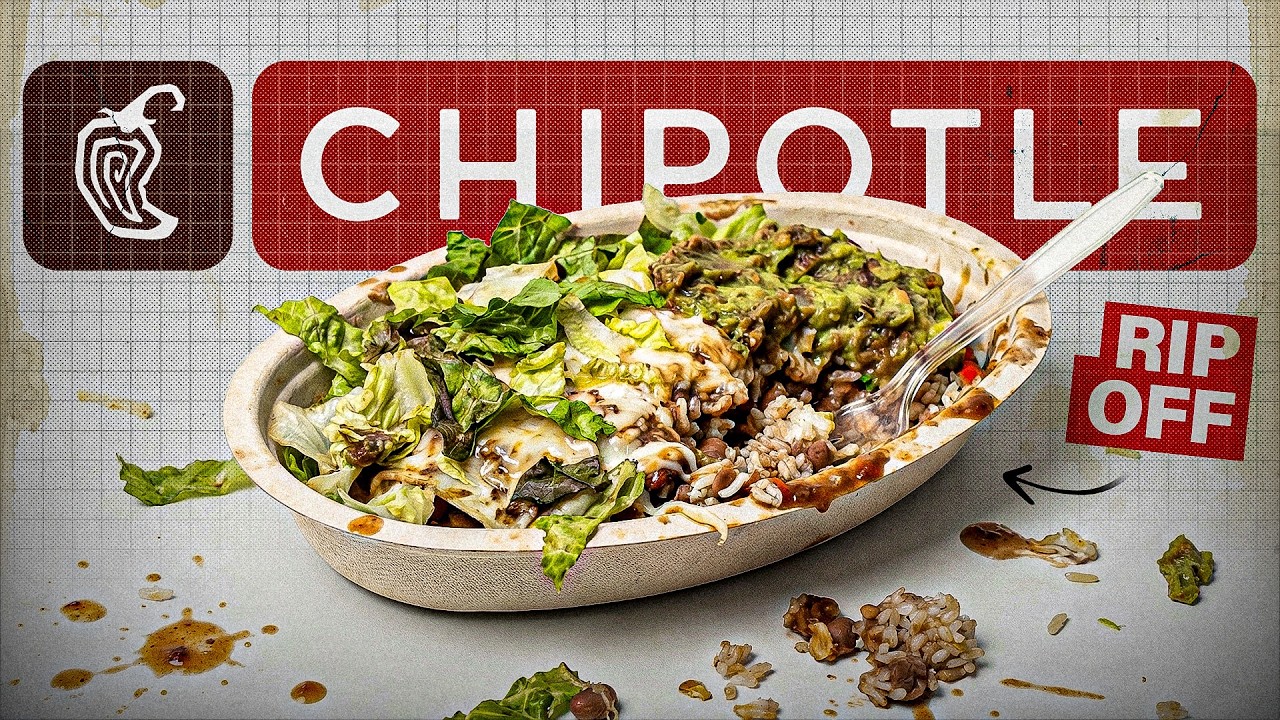
Chipotle — How $15 Bowls Bankrupt a $50B Dream
- English (US)
Chipotle's unraveling reveals a governance flaw obscured during ascendance: tying a 770% stock run to one executive's vision creates concentration risk indistinguishable from structural strength until the executive departs. When Brian Niccol left for Starbucks in August 2024, the stock dropped 10% immediately—and 18 months later, a third of market cap had evaporated to roughly $51B.

How Just One Man Destroyed Eastern Airlines In 1989
- English (US)
Eastern Airlines' destruction reveals a regulatory failure most case studies miss: the deliberate weaponization of bankruptcy law against a viable enterprise. At its 1985 peak, Eastern carried more passengers than any airline on Earth—1,040 daily flights, $4.7B revenue, 40 million annual passengers. Six years later, it ceased operations entirely. The mechanism wasn't market failure; it was extraction architecture protected by financial structures.