
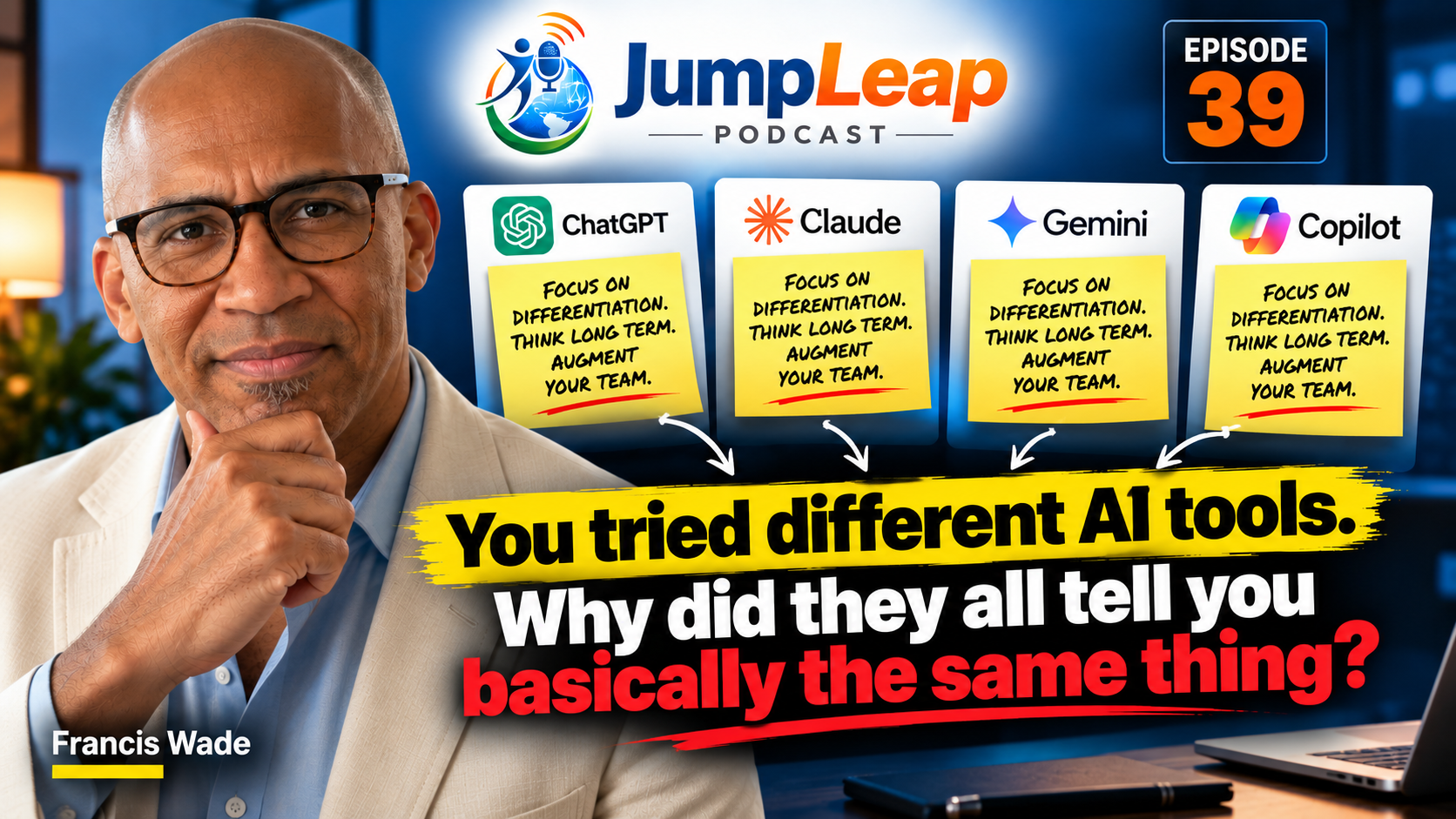
Ep 39 "Trendslop": Why AI Keeps Giving Strategists the Same Answer
- English (US)
A chief strategy officer asks ChatGPT, Claude, and Gemini the same strategic question before his board retreat. Different phrasing, identical conclusions — and no way to tell if any of it is actually good advice.
Ep 38 - The Bellhop and the Sardines
Most strategy activation programs fail for a counterintuitive reason: employees don't lack information, they lack rehearsed judgment. Town halls, PDFs, and cascaded briefings transmit content, but the moment that matters — an employee facing an ambiguous tradeoff with no manager present — receives no training at all.
Ep. 37 Why Global Conflict Has Your C-Suite Knee-Jerking Once Again
Kodak invented the digital camera in 1975, watched a senior manager say "I hope it never works," and buried it anyway. The failure wasn't persuasion or courage — it was architecture, and almost every organization is still building the same trap.

Why China Built The World's Most Unprofitable Train Network
- English (US)
China built the world's largest high-speed rail network — 50,000 km, more than every other country combined — knowing on purpose that four-fifths of it would never turn a profit.
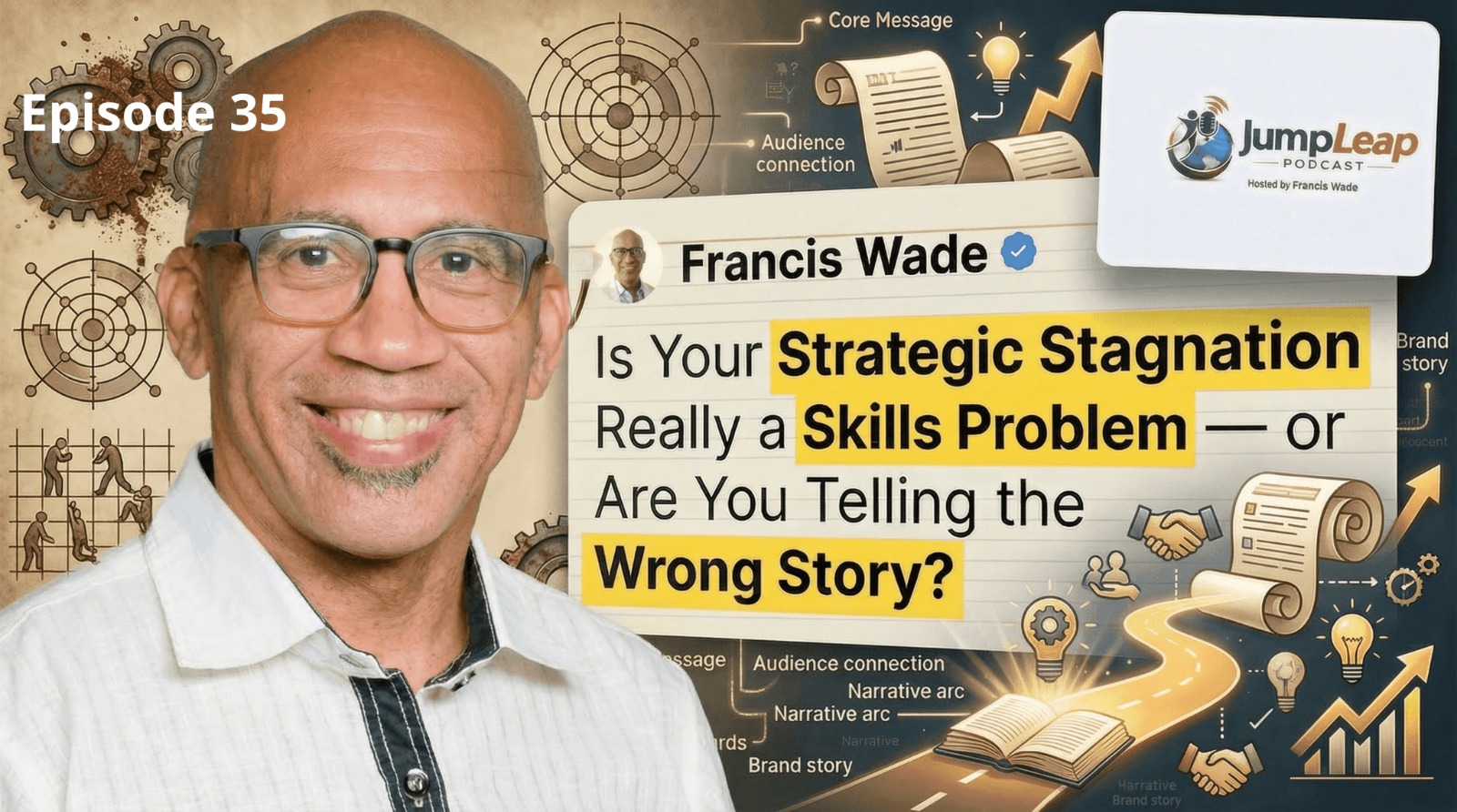
Ep 35 - Your Strategic Stagnation Isn't a Framework Problem—It's a Story Problem
You're in a strategy retreat. You see an opening to shift the conversation—a strategic insight you know could change the trajectory. You speak up with confidence. And then... blank looks. Awkward silence. The room moves on as if you hadn't spoken. This episode exposes what elite strategists do differently: they've built pattern libraries from accumulated case exposure that allow them to deploy diagnostic stories, pattern stories, and origin stories in the moment—not in PowerPoint decks afterward.
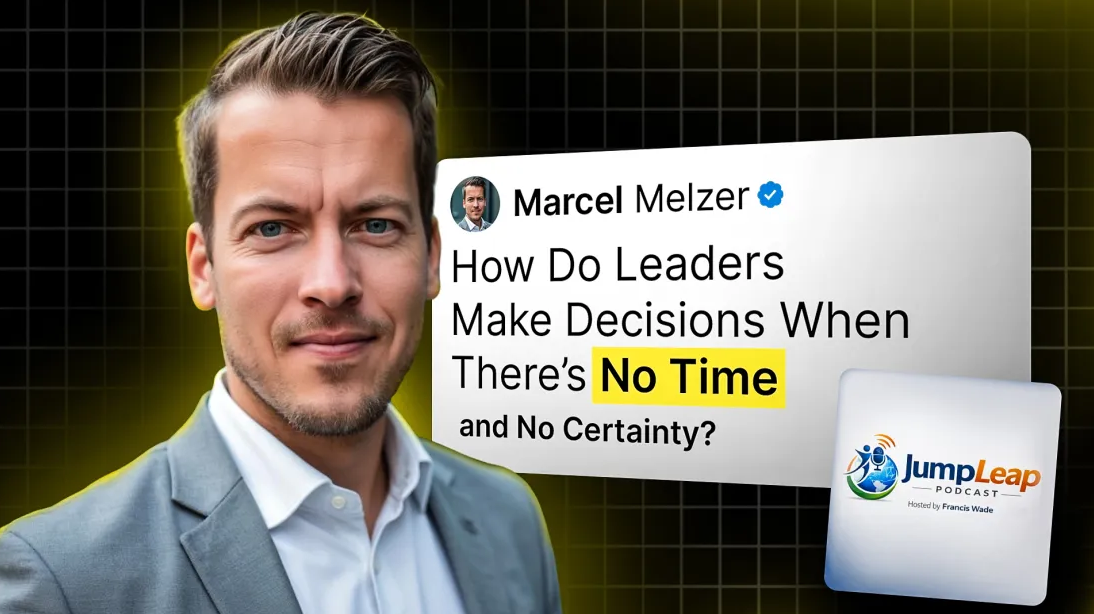
Ep 34 - How Do Leaders Make Decisions When There's No Time and No Certainty?
Your company is bleeding. The tariff just hit. Your board wants answers. You have 48 hours. But sometimes the brutal truth is that the warning signs were there 20-years ago.

Epic Disruptions: Insights from Scott D. Anthony
Disruption's deadliest trick: revenues spike before the crash. Research in Motion tripled revenue after iPhone launched—then tripled again—before falling off a cliff. Data becomes conclusive only when it's too late to act, making pattern recognition the superior strategic instrument.
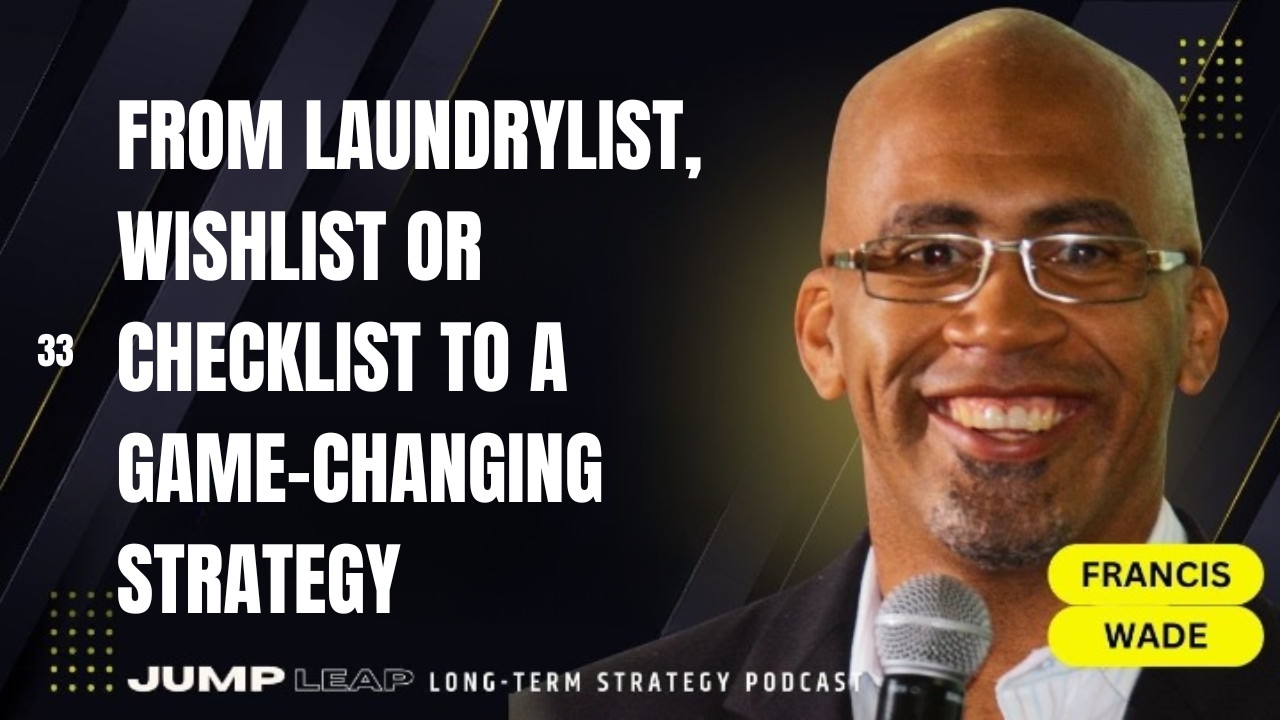
Ep 33 - From Laundrylist, Wishlist or Checklist to a Game-Changing Strategy
Picture two teams in your company, six months apart. The first team is drowning. They have 47 "strategic initiatives" on their list, no clear way to prioritize, and every meeting devolves into debates about resources. Morale is terrible, and nobody can articulate what they're really trying to accomplish.

Monetizing Expert: Your Pricing Is Killing Your Startup
Pricing isn't an afterthought—it's a strategic weapon most founders deploy too late. The counterintuitive reality: testing willingness-to-pay before building product prevents the billion-dollar mistake of training customers to expect more for less.

McDonalds owns their real estate. Why doesn’t Starbucks?
McDonald's real estate strategy isn't universally optimal—it's contextually brilliant. The paradox: Howard Schultz deliberately rejected Ray Kroc's proven billion-dollar playbook despite identical expansion ambitions, yet both built 40,000+ location empires.
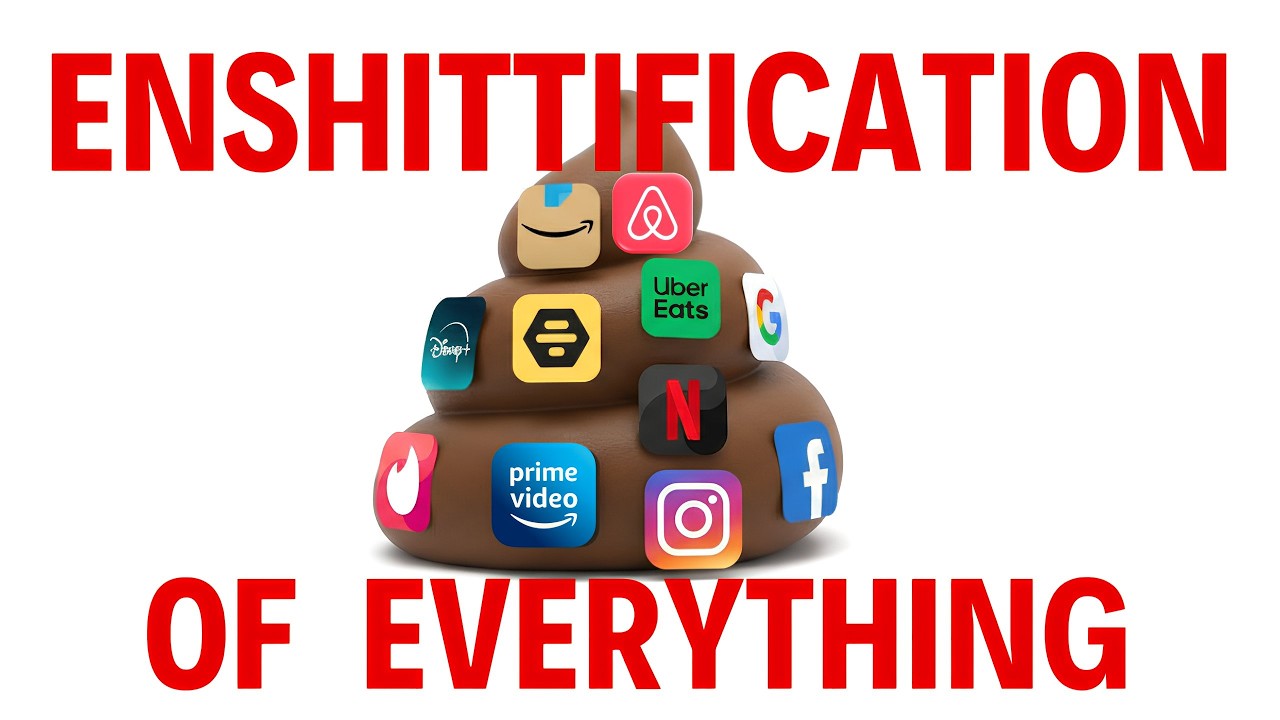
Why Every App is Getting Worse On Purpose
Platform decay isn't market failure—it's calculated extraction. The counterintuitive reality: today's worst user experiences represent optimized business models, not broken ones. Companies deliberately degrade products because friction generates more revenue than satisfaction.

The Coast Guard: Foresight in Action
Two full-time employees and $500,000 annually transformed 50,000-person Coast Guard from world-class responders into anticipators—less than one penny per $100 budget delivering 23 years of structural impact. Post-9/11 realization: reacting isn't enough when the world rewrites rules faster than playbooks update.