

Dropbox: When Ignoring Big Tech Backfires
Dropbox pioneered cloud storage but now executes a harvest strategy—borrowing $2B in 2024 purely for share buybacks while paying users flatlined three years straight. The counterintuitive lesson: being first means nothing when your core product becomes a loss leader for trillion-dollar ecosystems. Discover how commoditization killed Dropbox's moat—Google and Microsoft offer storage free because it's not the product, it's the gateway to productivity suites. Learn why Dropbox's horizontal integration attempts (Paper, HelloSign, Mailbox) failed against true ecosystems, and how their fatal hesitation between consumer and enterprise markets left them vulnerable to competitors who chose decisively. Box went 95% enterprise; Dropbox chose neither and lost both. The brutal economics: revenue crawled 4.5% annually while competitors grew exponentially through cross-subsidization. Dropbox's $4B buyback spree signals corporate acceptance—they're squeezing remaining value rather than planting seeds. Essential case study for understanding when first-mover advantage collapses under commodity economics and strategic indecision. 00:01:14 Dropbox's model: offer storage as affordable service using economies of scale, platform-agnostic solution solving chaos problem 00:04:14 Storage became commodity: tech giants use it as loss leader, not profit center—Dropbox sells storage, competitors give it free 00:06:20 Paper positioned as note-taking not productivity suite, failed horizontal integration—couldn't compete with Google/Microsoft ecosystems 00:09:21 Dropbox hesitated between consumer and enterprise, refused to become Box, chose neither strategy and lost both markets 00:12:16 Harvest strategy: stop planting growth seeds, squeeze remaining profit, return cash to shareholders while market moves on
Recommended



The Trendslop Trap: Why AI Generates Mediocrity Instead of Strategy

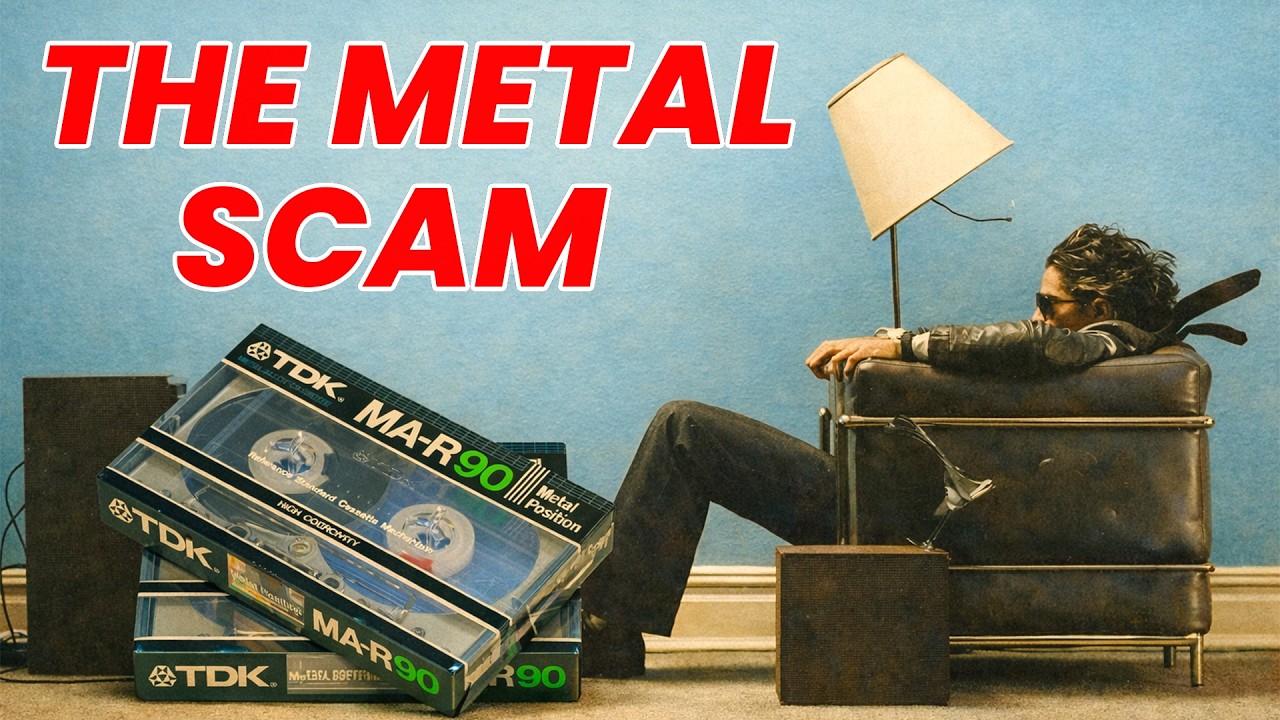
The RUTHLESS 1980s Cassette Wars That FOOLED America (And Vanished)


Review
Add Review
You have to Sign In to share the review
Not Rated Yet