


Britain Could Afford to Lose Every War. Here's Why
- English (US)
Military history's most counterintuitive lesson: the empire that dominated 200 years lost battles constantly. Britain's strategic genius wasn't tactical brilliance—it was financial architecture so robust that defeat became affordable. While France defaulted 8 times between 1500-1800 and Spain defaulted 6 times in a single century, Britain paid every debt, every time.

The Inside Story of ASML's Focus and Business Strategy
The world's most powerful technology monopoly controls 90% of chip lithography while owning almost none of its supply chain. ASML's paradox: extreme market concentration built on deliberate dependency—80% of each machine manufactured by external partners—creating an ecosystem that absorbs industry cyclicality rather than internalizing it.

Why You Spend So Much Money At Trader Joe's
Trader Joe’s success is an anti-strategy: it thrives by rejecting grocery orthodoxy—no loyalty programs, limited SKUs, minimal marketing. Its cult following emerges not from convenience but from deliberate inconvenience, challenging the core assumption that retail must optimize for ease.

The Slow, Sad Death Of Wendy's
Wendy's decline reveals how brand differentiation erodes when cost pressures force strategic convergence with inferior competitors. The counterintuitive reality: while McDonald's and Shake Shack maintained positioning, Wendy's 50% stock collapse in 2025 resulted not from competitive assault but self-inflicted quality degradation that destroyed its premium-fast-food positioning.
The Rise and Fall of MTV
- English (US)
MTV's dissolution challenges conventional narratives about corporate death: the network didn't fail by abandoning music—it failed by succeeding at what audiences actually watched versus what they claimed to want. The counterintuitive reality: MTV lost $50M playing free music videos in year one, became profitable only after Michael Jackson's Thriller (March 1983), yet generated peak profits during Jersey Shore's 11M-viewer run (2009-2011), not its "golden era" music period.
Warner Bros: How a $82B Industry Titan Collapsed
- English (US)
Warner Brothers' dissolution reveals how financial engineering destroys cultural institutions when leadership optimizes for balance sheets over franchise value. The counterintuitive tragedy: cost-cutting CEO David Zaslav's "content impairment" strategy—vaulting completed $90M Batgirl film for tax write-offs, removing HBO branding from Max, simultaneously releasing theatrical films on streaming—accelerated rather than arrested terminal decline.
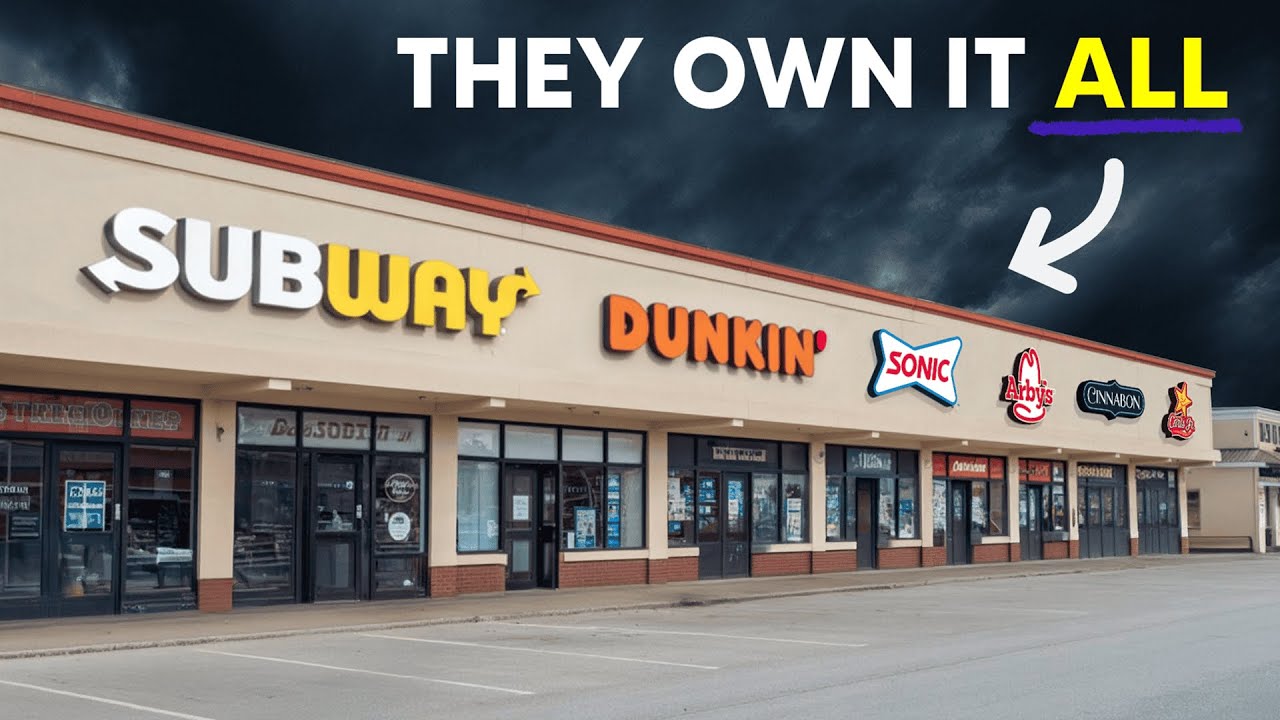
The Private Equity Firm Buying All of Fast Food
Conventional wisdom holds scale as the ultimate competitive moat. The counterintuitive reality revealed by Roark Capital’s 25-year empire is that mass aggregation can mask strategic fragility—acquiring 110,000 franchise locations may build financial assets, not defensible businesses.

Monetizing Expert: Your Pricing Is Killing Your Startup
Pricing isn't an afterthought—it's a strategic weapon most founders deploy too late. The counterintuitive reality: testing willingness-to-pay before building product prevents the billion-dollar mistake of training customers to expect more for less.

McDonalds owns their real estate. Why doesn’t Starbucks?
McDonald's real estate strategy isn't universally optimal—it's contextually brilliant. The paradox: Howard Schultz deliberately rejected Ray Kroc's proven billion-dollar playbook despite identical expansion ambitions, yet both built 40,000+ location empires.
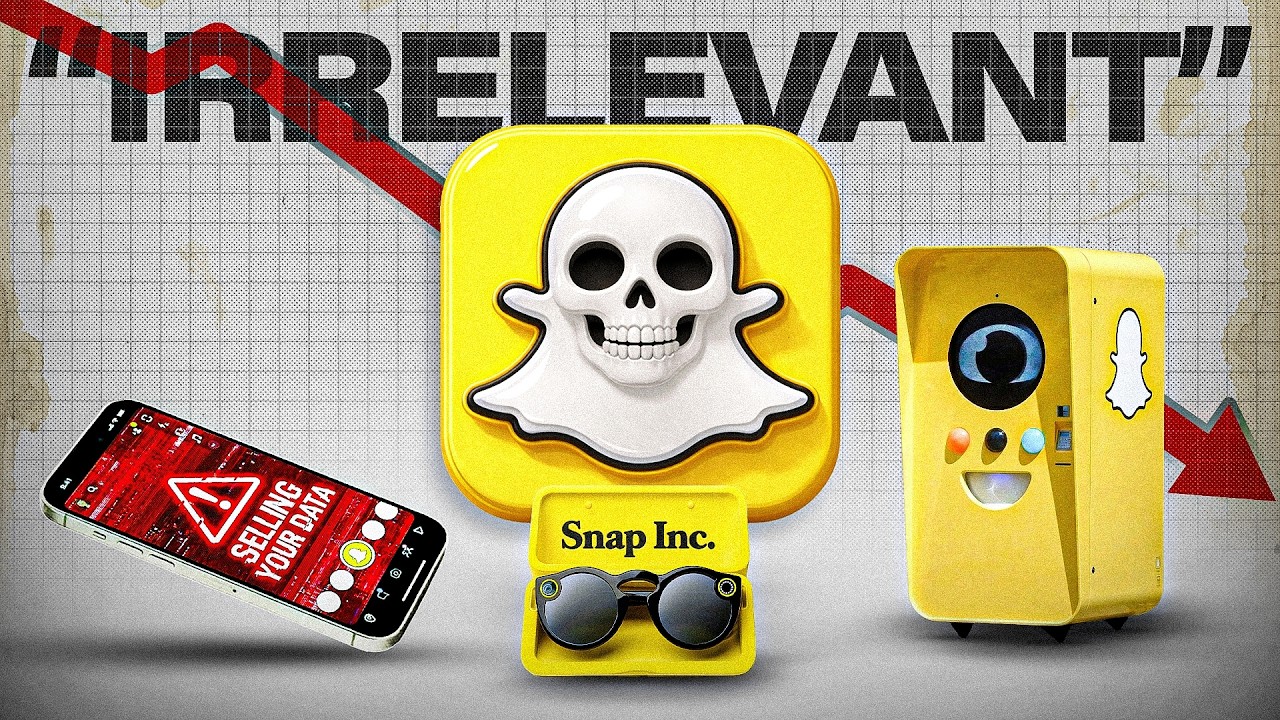
Snapchat: From $30B Industry Leader to Another Dead App
Snap's collapse reveals how product innovation without sustainable business architecture creates terminal vulnerability. The counterintuitive reality: rejecting Zuckerberg's $3 billion offer in 2013 wasn't visionary—it was strategic myopia disguised as confidence.
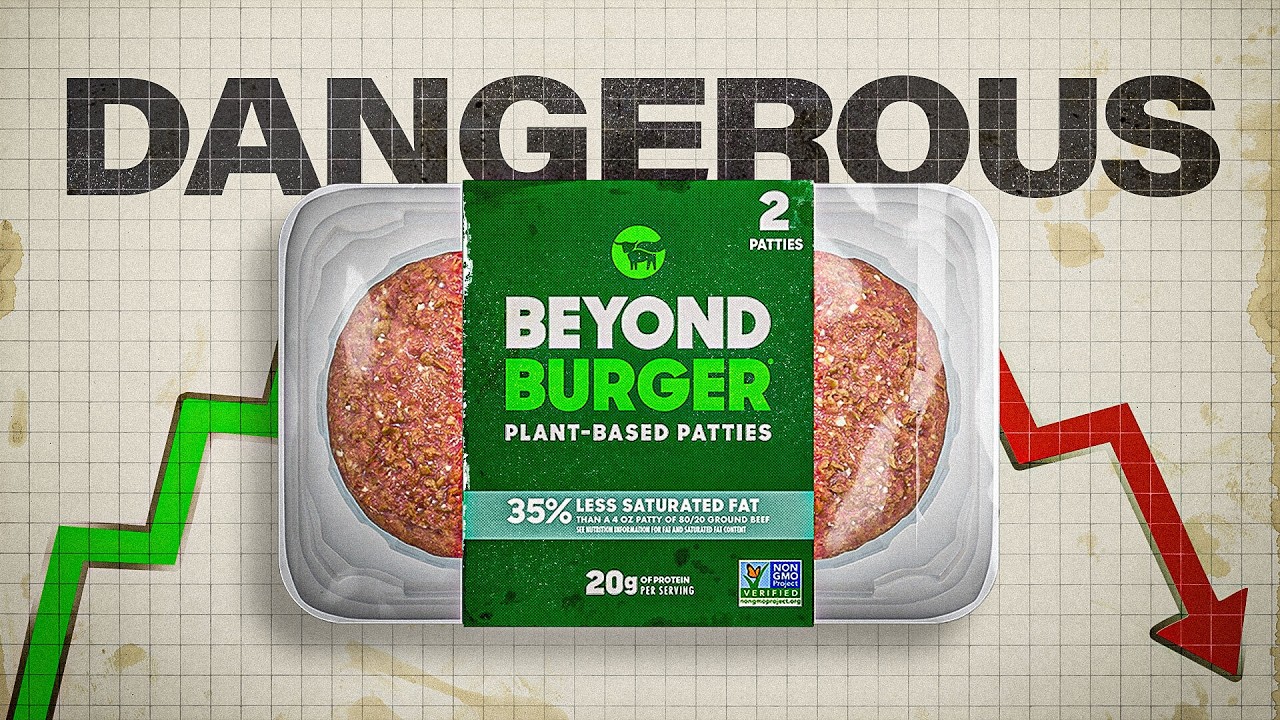
Beyond Meat: From $10 Billion Darling to Penny Stock
Beyond Meat's trajectory reveals how narrative capitalism collapses when product economics fail. The counterintuitive lesson: celebrity endorsement and values-aligned positioning cannot indefinitely subsidize fundamental unit economics deficiencies.
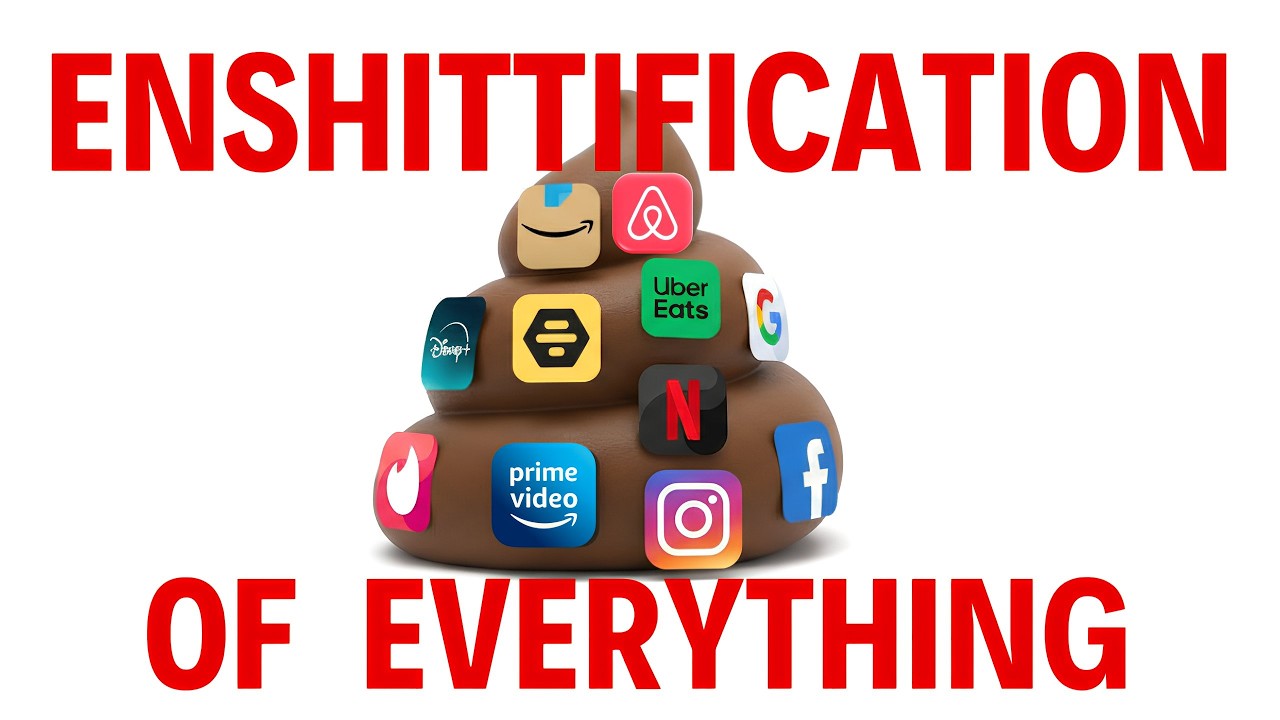
Why Every App is Getting Worse On Purpose
Platform decay isn't market failure—it's calculated extraction. The counterintuitive reality: today's worst user experiences represent optimized business models, not broken ones. Companies deliberately degrade products because friction generates more revenue than satisfaction.