
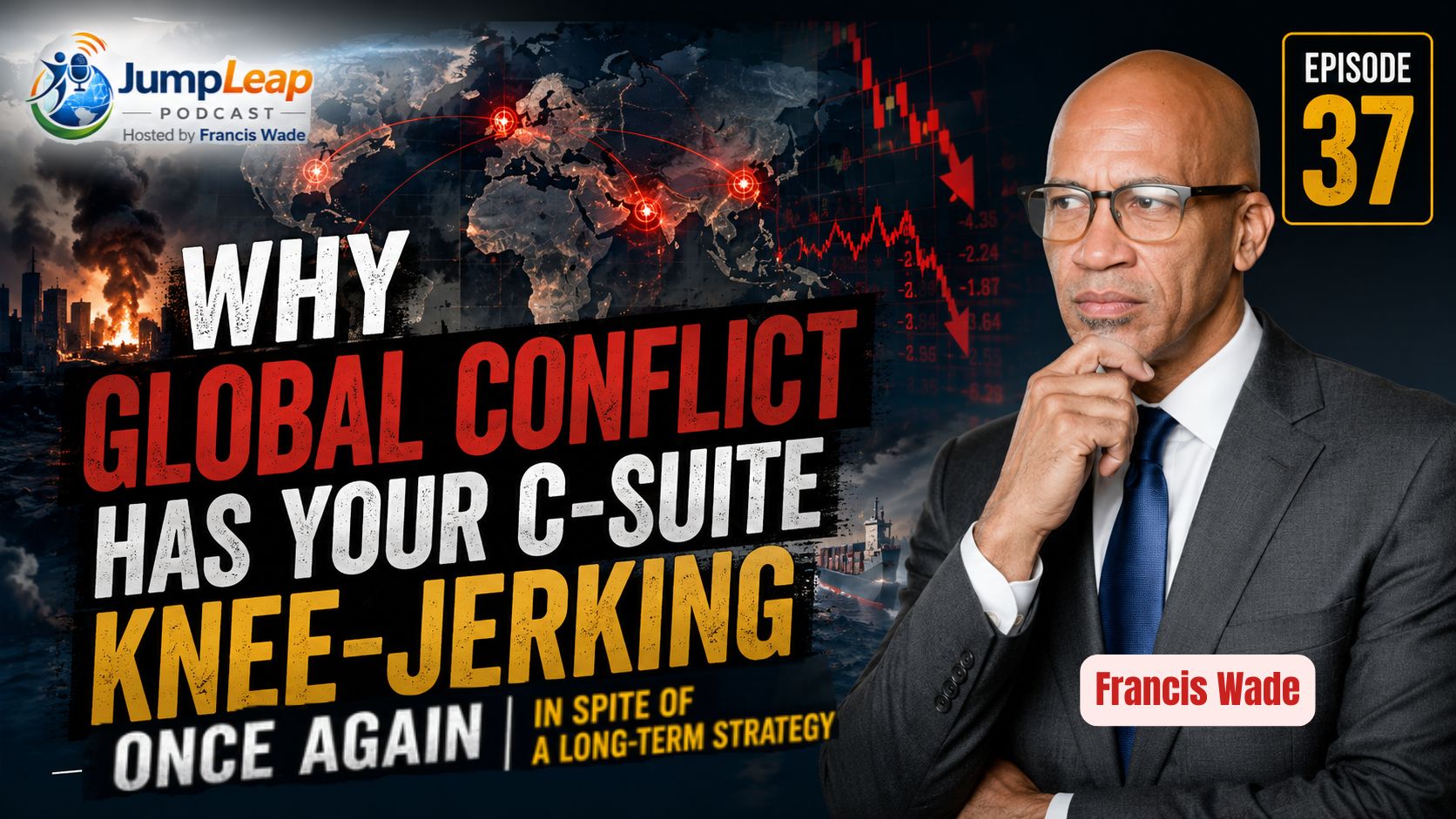
Ep. 37 Why Global Conflict Has Your C-Suite Knee-Jerking Once Again
Kodak invented the digital camera in 1975, watched a senior manager say "I hope it never works," and buried it anyway. The failure wasn't persuasion or courage — it was architecture, and almost every organization is still building the same trap.
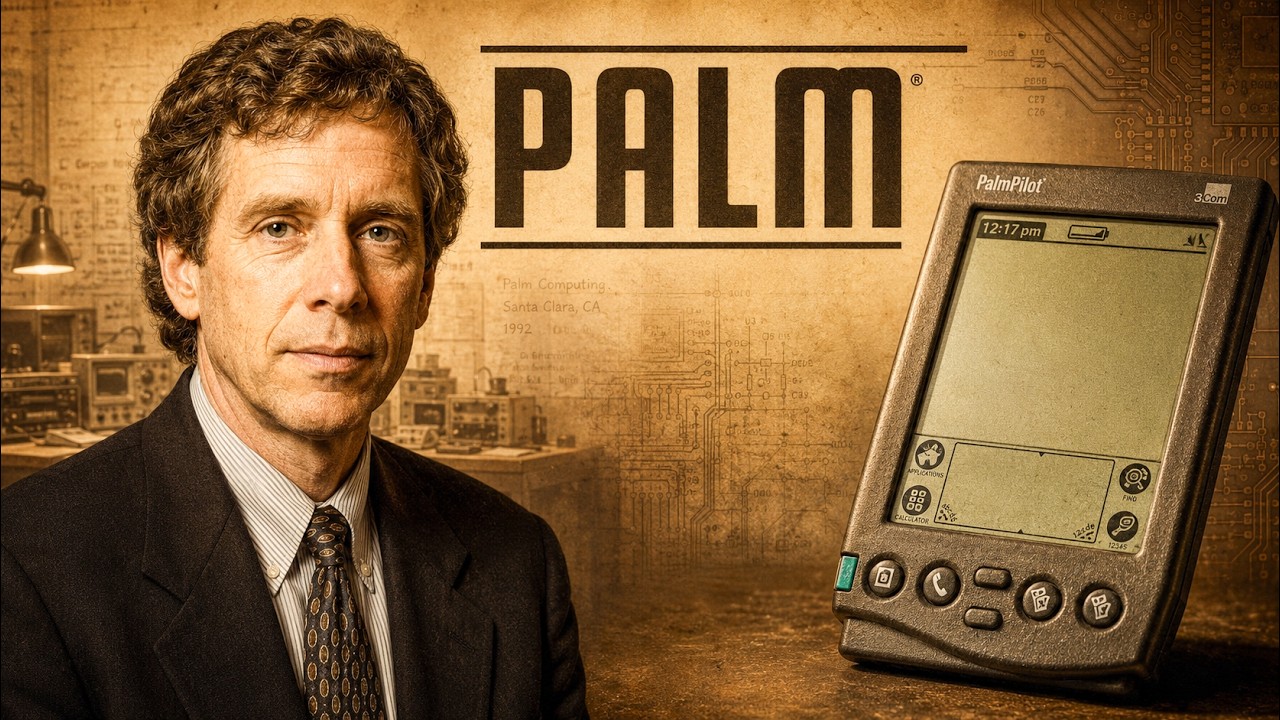
The Rise and Fall of Palm, the Santa Clara Startup That Built the First Smartphone and Lost to Apple
- English (US)
Jeff Hawkins tested the smartphone's core insight with a carved block of wood and a chopstick stylus, years before writing a line of production code. Palm's IPO would value it at $53 billion; its eventual sale, a decade later, fetched just $1.2 billion.
What Happened to NASA
- English (US)
NASA put men on the moon by 1969, then by 2011 paid Russia to fly its own astronauts to orbit. The failure wasn't underfunding — it was a mission accomplished with no second mission to replace it.
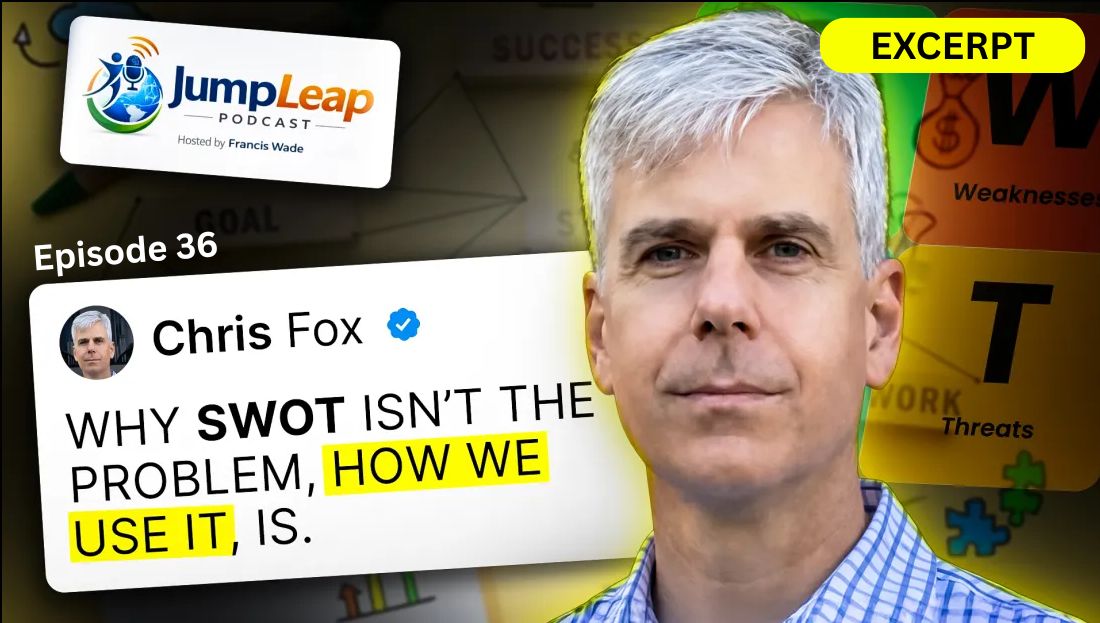
Ep 36 Why SWOT Isn't the Problem: How We Use It Is
Today, your executive team fills SWOT boxes in 90 minutes and calls it strategy. Tomorrow's competitive landscape will punish that superficiality mercilessly. Chris Fox predicts the emerging standard: double-barreled insight generation that combines intellectual analysis with visceral pattern recognition. The companies that master this before 2027 will spot their Kodak moments early enough to pivot. The rest will wonder why their strategy sessions produced such weak insights while competitors transformed entire business models. This conversation reveals the magnitude gap that will separate strategic survivors from casualties.

Jamaica's Limestone Expansion
Jamaica's economic story is not written in tourist arrivals or remittance flows—it's carved from 50 billion tons of high-purity limestone. While the world catalogued this island as a beach destination, a geological endowment of exceptional calcium carbonate concentration was quietly becoming the foundation of a hemispheric industrial strategy.

The Inside Story of ASML's Focus and Business Strategy
The world's most powerful technology monopoly controls 90% of chip lithography while owning almost none of its supply chain. ASML's paradox: extreme market concentration built on deliberate dependency—80% of each machine manufactured by external partners—creating an ecosystem that absorbs industry cyclicality rather than internalizing it.
The Fall of Levi Strauss Factories
Levi Strauss executed a $3.3 billion leveraged buyout in 1996—precisely when sales peaked at $7.1 billion. As market share collapsed from 50% to 26%, debt service prevented competitive response. The company missed baggy jeans, premium denim, and teenagers entirely while competitors captured every segment.
The Downfall of Bethlehem Steel
Bethlehem Steel built 80% of New York's skyline and more warships than any American company—then vanished. The failure wasn't foreign competition or union demands: it was Eugene Grace's 40-year reign creating a culture where innovation meant career suicide and outdated methods became sacred policy.
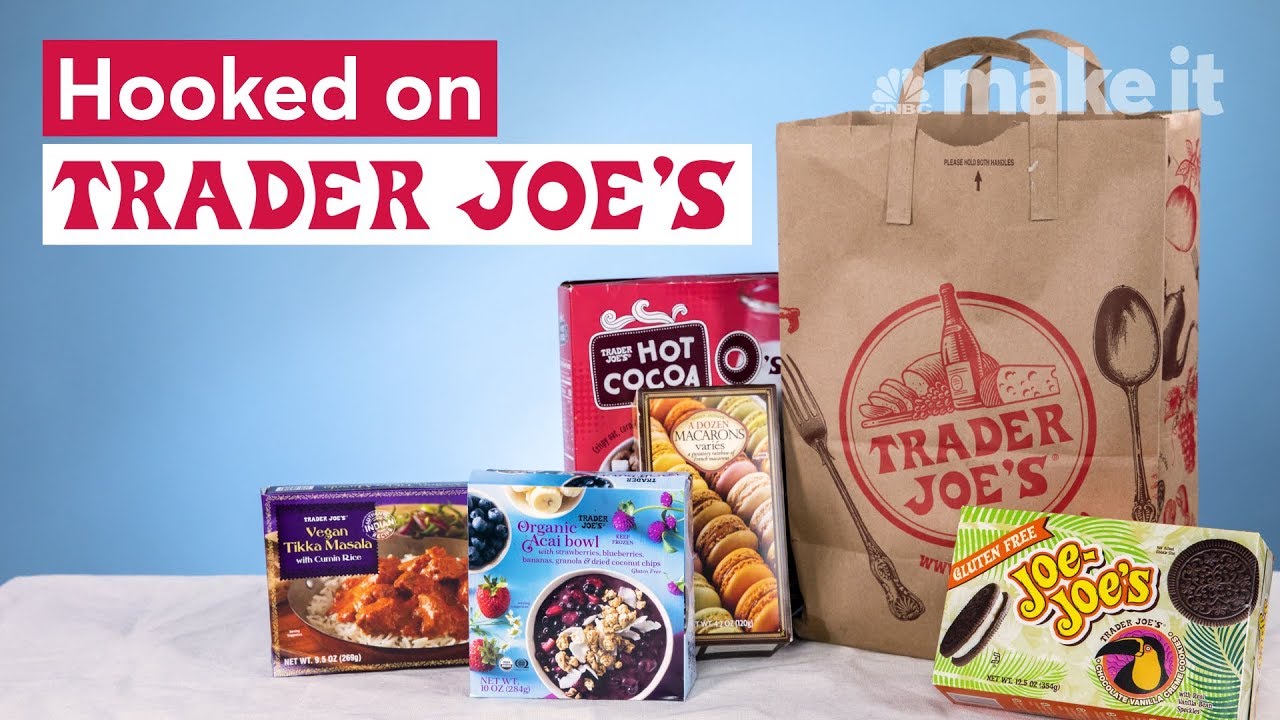
Why You Spend So Much Money At Trader Joe's
Trader Joe’s success is an anti-strategy: it thrives by rejecting grocery orthodoxy—no loyalty programs, limited SKUs, minimal marketing. Its cult following emerges not from convenience but from deliberate inconvenience, challenging the core assumption that retail must optimize for ease.
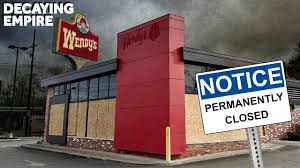
The Slow, Sad Death Of Wendy's
Wendy's decline reveals how brand differentiation erodes when cost pressures force strategic convergence with inferior competitors. The counterintuitive reality: while McDonald's and Shake Shack maintained positioning, Wendy's 50% stock collapse in 2025 resulted not from competitive assault but self-inflicted quality degradation that destroyed its premium-fast-food positioning.
The Rise and Fall of MTV
- English (US)
MTV's dissolution challenges conventional narratives about corporate death: the network didn't fail by abandoning music—it failed by succeeding at what audiences actually watched versus what they claimed to want. The counterintuitive reality: MTV lost $50M playing free music videos in year one, became profitable only after Michael Jackson's Thriller (March 1983), yet generated peak profits during Jersey Shore's 11M-viewer run (2009-2011), not its "golden era" music period.
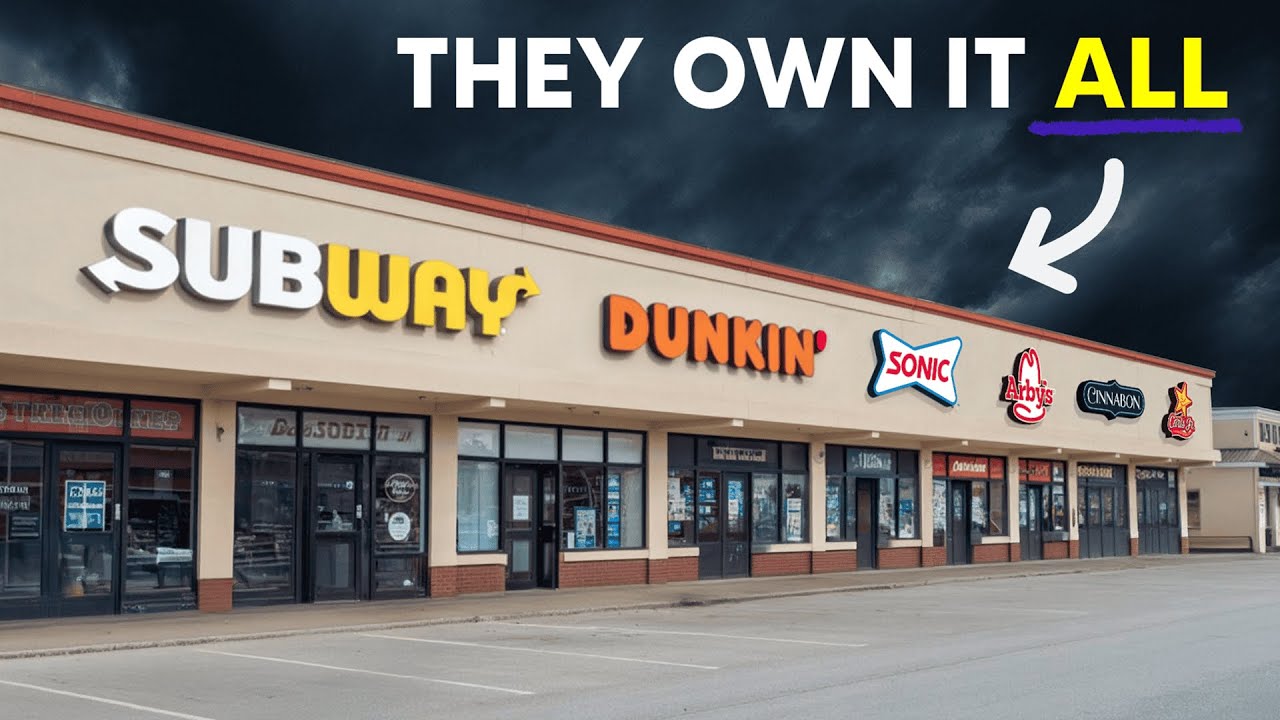
The Private Equity Firm Buying All of Fast Food
Conventional wisdom holds scale as the ultimate competitive moat. The counterintuitive reality revealed by Roark Capital’s 25-year empire is that mass aggregation can mask strategic fragility—acquiring 110,000 franchise locations may build financial assets, not defensible businesses.