

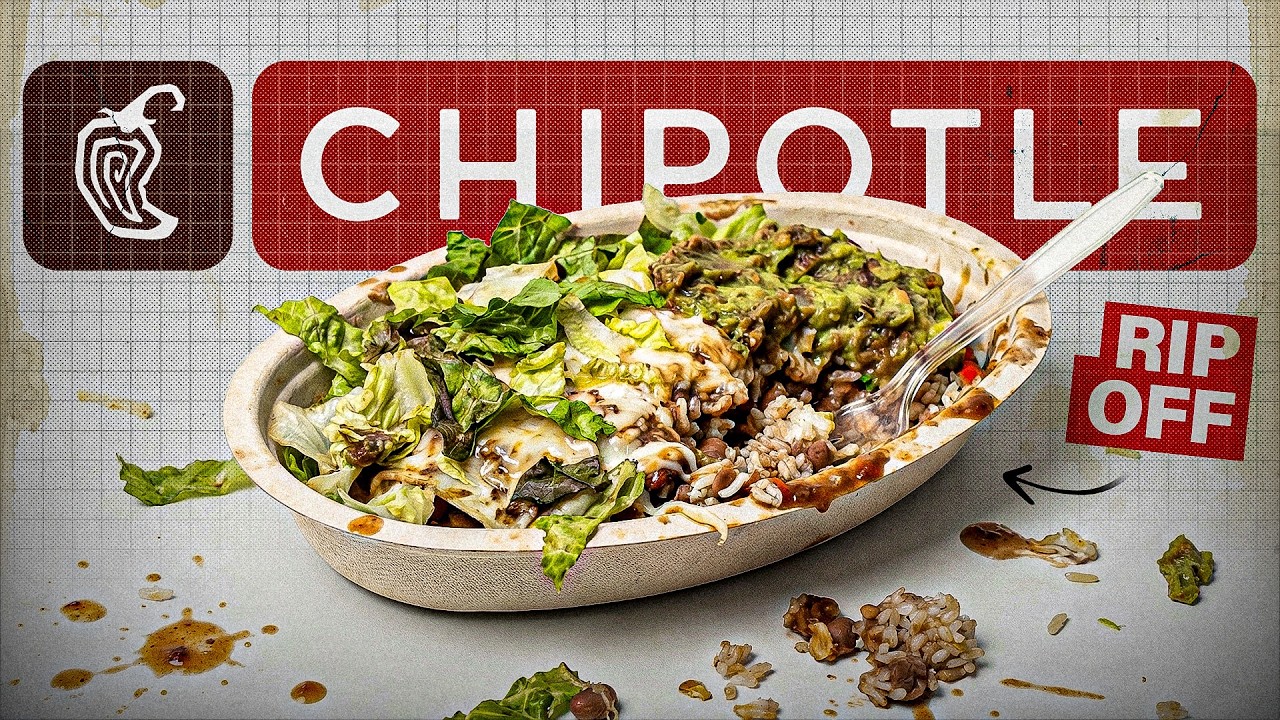
Chipotle — How $15 Bowls Bankrupt a $50B Dream
Chipotle's unraveling reveals a governance flaw obscured during ascendance: tying a 770% stock run to one executive's vision creates concentration risk indistinguishable from structural strength until the executive departs. When Brian Niccol left for Starbucks in August 2024, the stock dropped 10% immediately—and 18 months later, a third of market cap had evaporated to roughly $51B. Two mechanisms compounded. Customer concentration: the 25-35 demographic that powered Chipotle's digital-first comeback—40% of customers earning under $100K—pulled back hardest under economic pressure, exposing that brand loyalty had always been demand-elastic. Strategic paralysis: refusing to discount preserved brand positioning but ceded the perception battle to $15-entree competitors despite Chipotle averaging $10. Q2 2025 same-store sales fell 4% versus +11% the prior year—a 15-point swing. Capital allocation worsened the picture: $2.4B in buybacks at $42.54/share into a declining stock while leadership departures continued. The implication: CEO-dependent growth stories cannot generate vision from within once the originating executive departs. Timestamps: 00:00:00 Chipotle stock dropped 10% the day Niccol announced his Starbucks departure—markets priced the executive, not the institution. 00:03:01 Niccol's digital-first overhaul drove 770% stock appreciation in six years—pickup shelves and mobile-app investment, not menu or rebranding. 00:06:31 Q2 2025 same-store sales fell 4% versus +11% prior year—15-point swing exposed how much growth depended on demographic-specific demand. 00:07:40 40% of customers earned under $100K; ages 25-35 pulled back hardest—the demographic that built the comeback proved most demand-elastic. 00:09:56 Chipotle bought back $2.4B in stock at $42.54 average price during 2025—capital deployed into a declining stock as forecasts cut three times.
- English (US)
Recommended


The Trendslop Trap: Why AI Generates Mediocrity Instead of Strategy

The RUTHLESS 1980s Cassette Wars That FOOLED America (And Vanished)


Review
Add Review
You have to Sign In to share the review
Not Rated Yet