
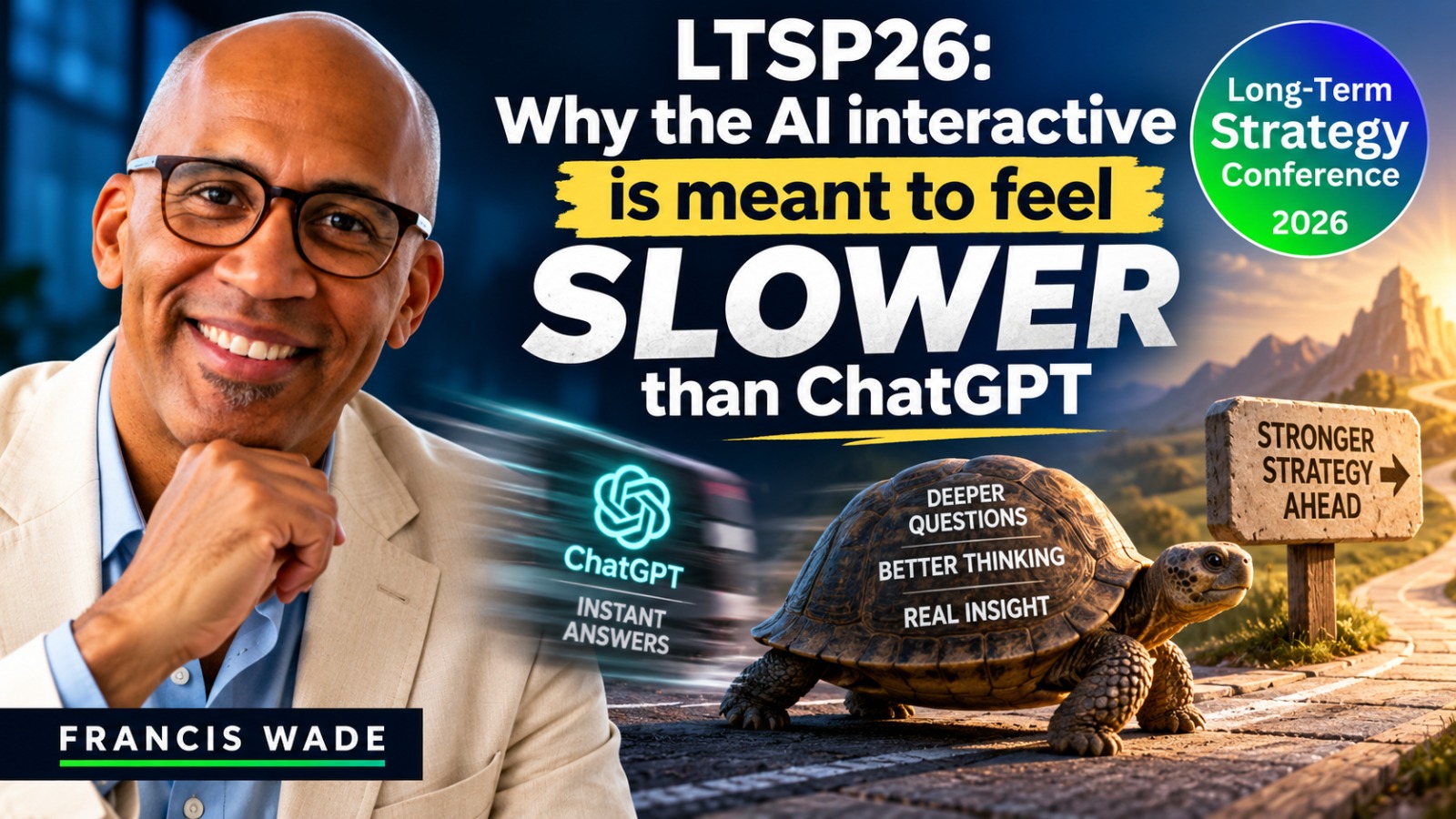
Why the AI Interactive Is Meant to Feel Slower Than ChatGPT
- English (US)
Marcus, a manufacturing director, quits an AI interactive after four minutes because he expected an instant answer and got follow-up questions instead. Francis Wade explains why that reaction is the wrong yardstick entirely.
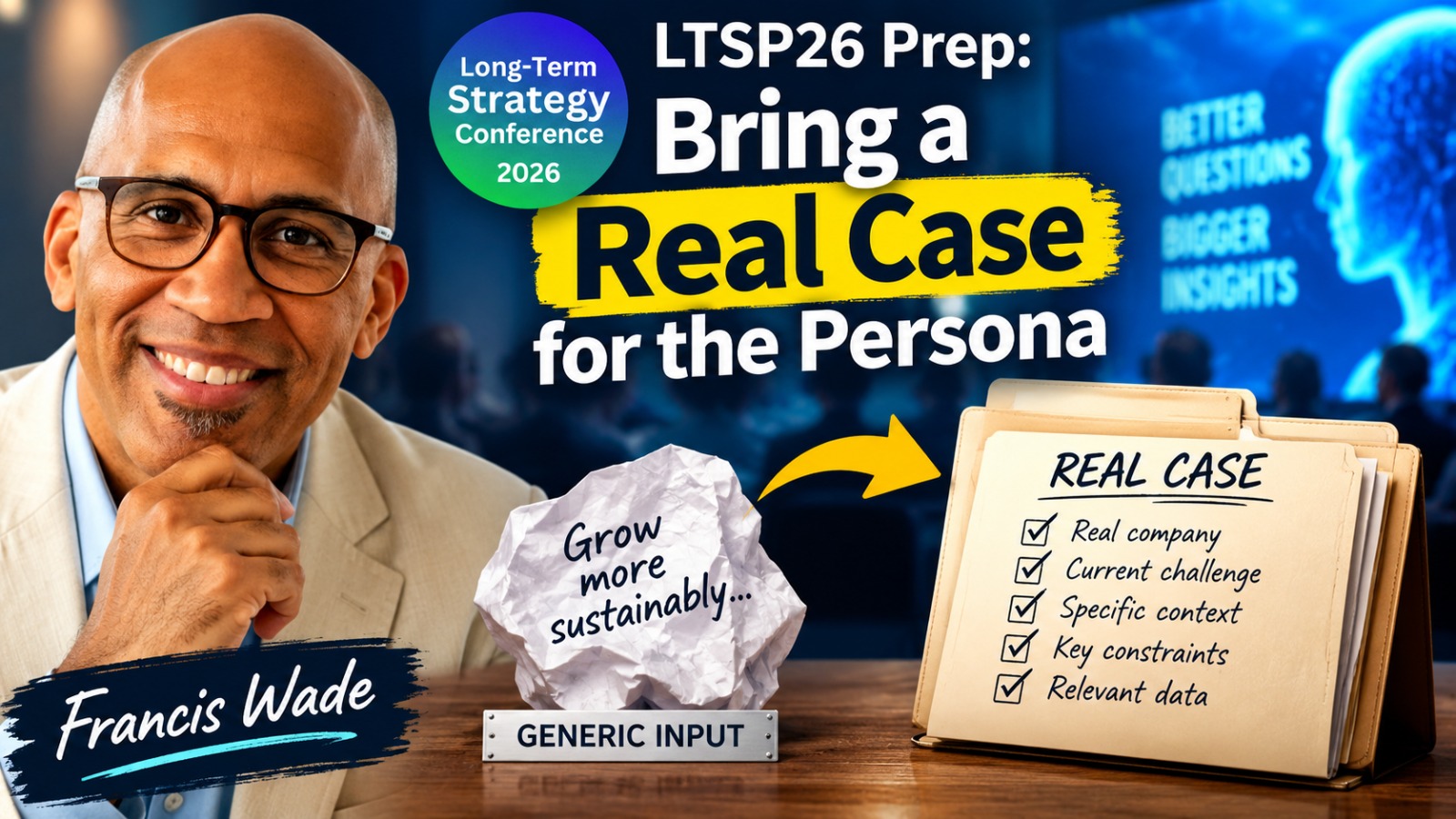
Bring a Real Case for the Persona
- English (US)
A generic prompt gets a generic response — even from a well-built AI persona. Francis Wade argues the single most valuable thing to bring to LTSP26 isn't more attention, it's one real, current strategic problem.
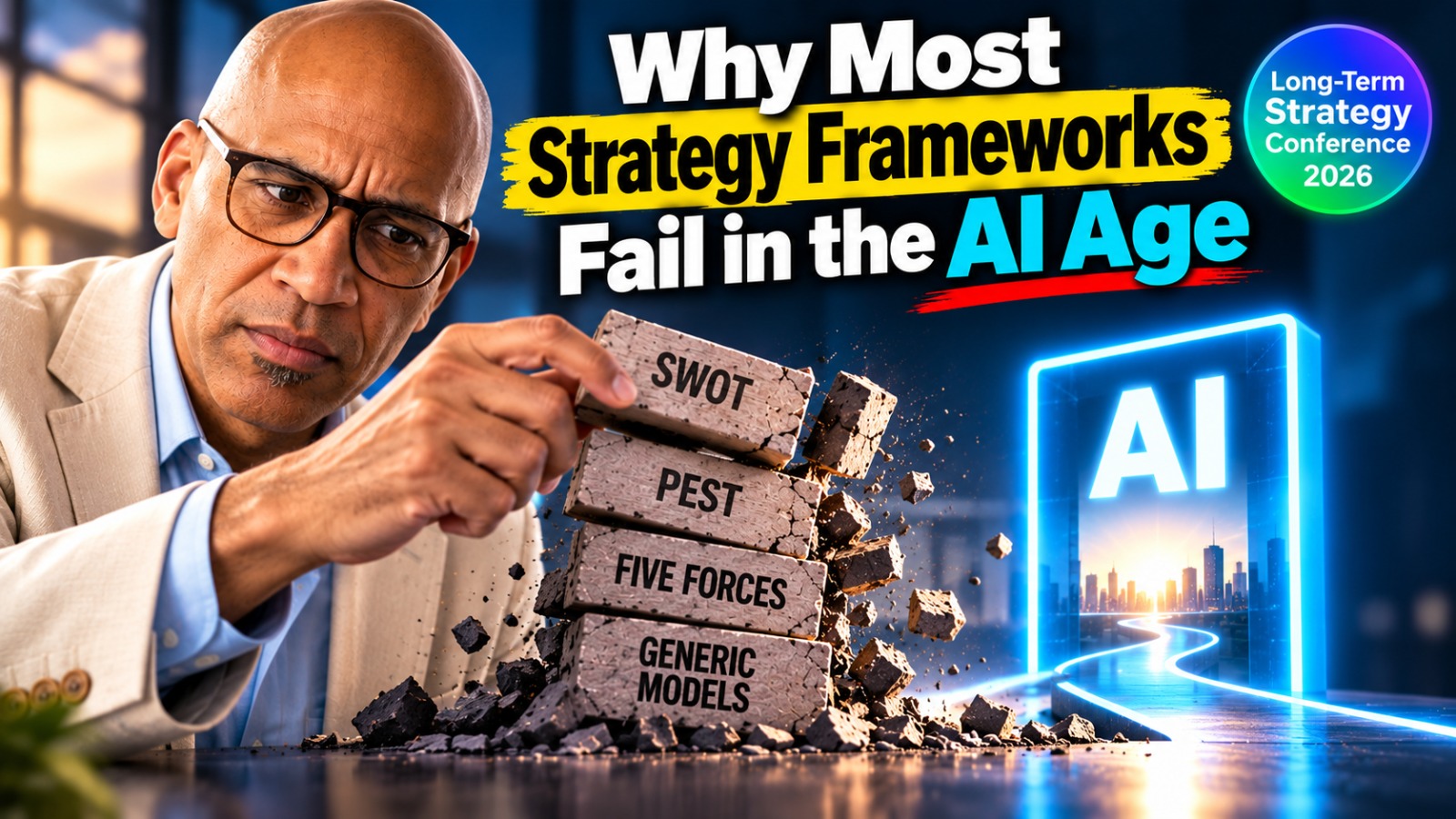
Why Most Strategy Frameworks Fail in the AI Age Core Core #4
- English (US)
Most companies are asking the wrong AI question. It's not whether AI belongs in strategy—it's where, and why most planning processes break down before they ever get useful. Francis Wade argues classic frameworks like SWOT and Five Forces are lenses, not workflows.
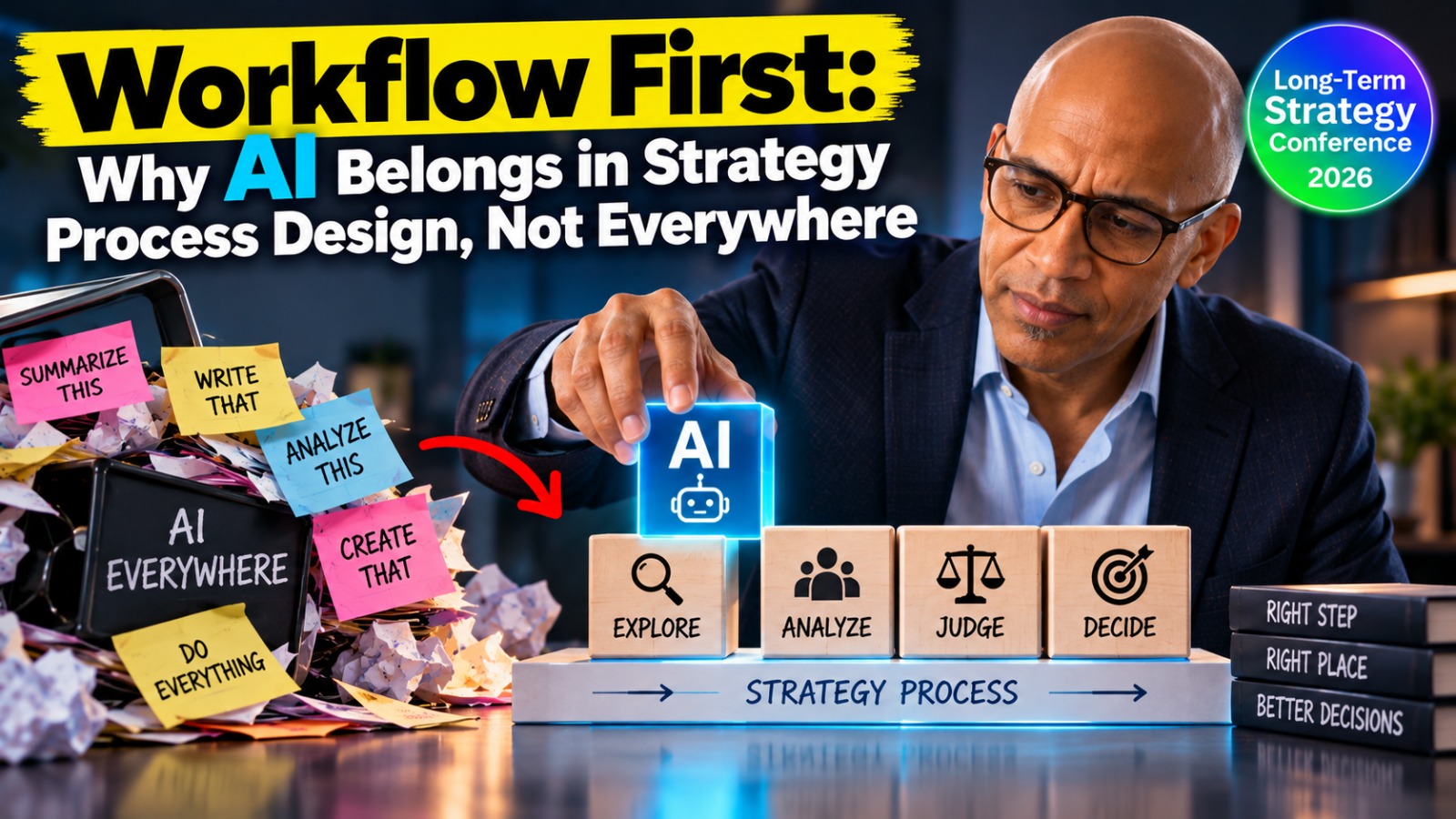
Workflow First: Why AI Belongs in Strategy Process Design, Not Everywhere Core #3
- English (US)
Most leaders get AI strategy wrong the same two ways: sprinkle it everywhere, or avoid it completely. Francis Wade argues the real fix isn't better prompting—it's understanding the workflow before AI ever enters the room.
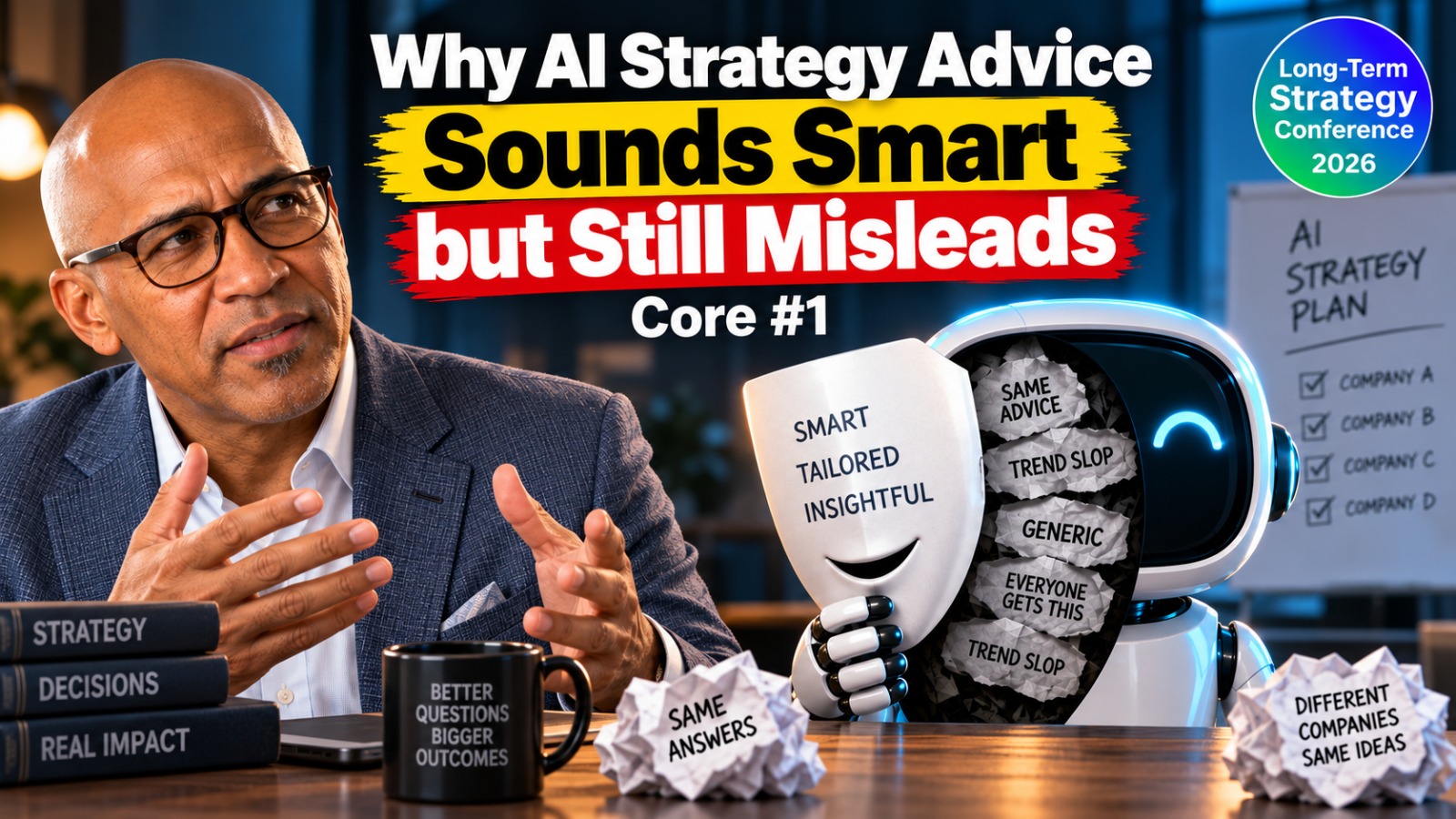
Introduction | Why AI Strategy Advice Sounds Smart but Still Misleads Core #1
- English (US)
AI can make strategy feel smarter in seconds—and flood it with polished nonsense that sounds tailored while matching every competitor's answer word for word. Francis Wade opens the Long Term Strategy Conference 2026 by naming the problem: 'trendslop'.
The Trendslop Trap: Why AI Generates Mediocrity Instead of Strategy
- English (US)
Seven leading AI models, tested across dozens of industries with complex strategic questions, produced functionally identical answers regardless of context — Harvard Business Review researchers named this convergence phenomenon "trendslop."
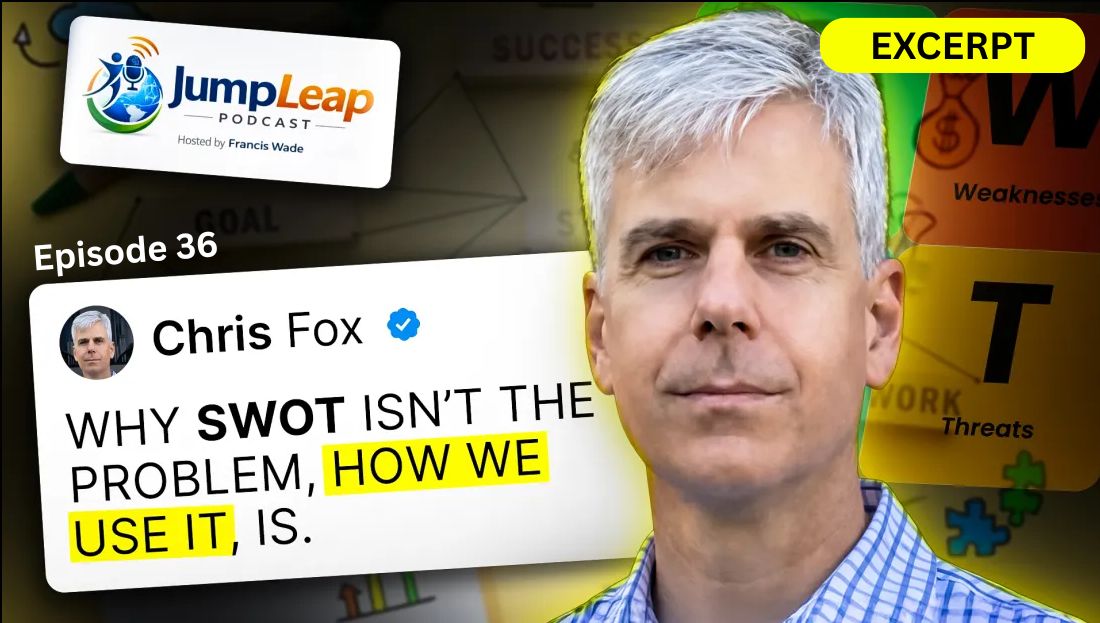
Ep 36 Why SWOT Isn't the Problem: How We Use It Is
Today, your executive team fills SWOT boxes in 90 minutes and calls it strategy. Tomorrow's competitive landscape will punish that superficiality mercilessly. Chris Fox predicts the emerging standard: double-barreled insight generation that combines intellectual analysis with visceral pattern recognition. The companies that master this before 2027 will spot their Kodak moments early enough to pivot. The rest will wonder why their strategy sessions produced such weak insights while competitors transformed entire business models. This conversation reveals the magnitude gap that will separate strategic survivors from casualties.
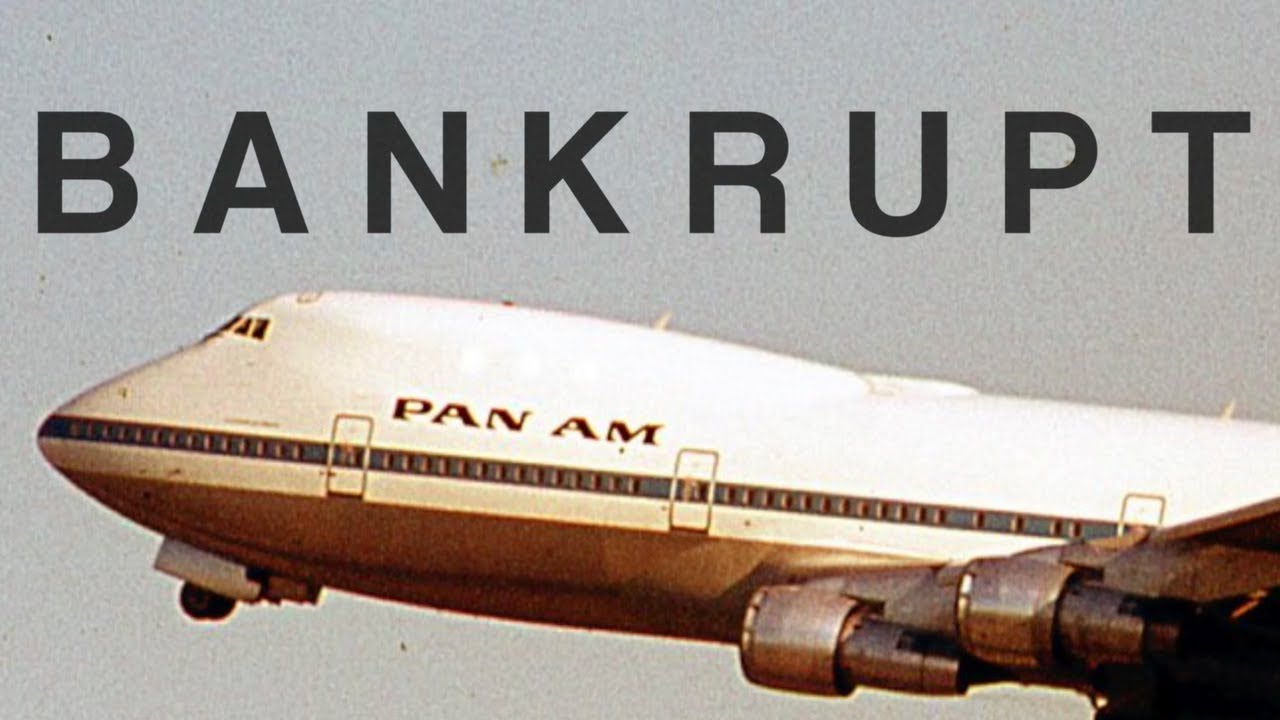
Bankrupt - Pan Am
- English (US)
Pan Am's collapse offers a counterintuitive lesson: pioneering an industry creates structural vulnerabilities invisible during prosperity. The world's first scheduled international airline, the launch customer for the Boeing 747, and the brand that defined global aviation went bankrupt not because it innovated too little—but because every strategic asset became a liability when conditions inverted.
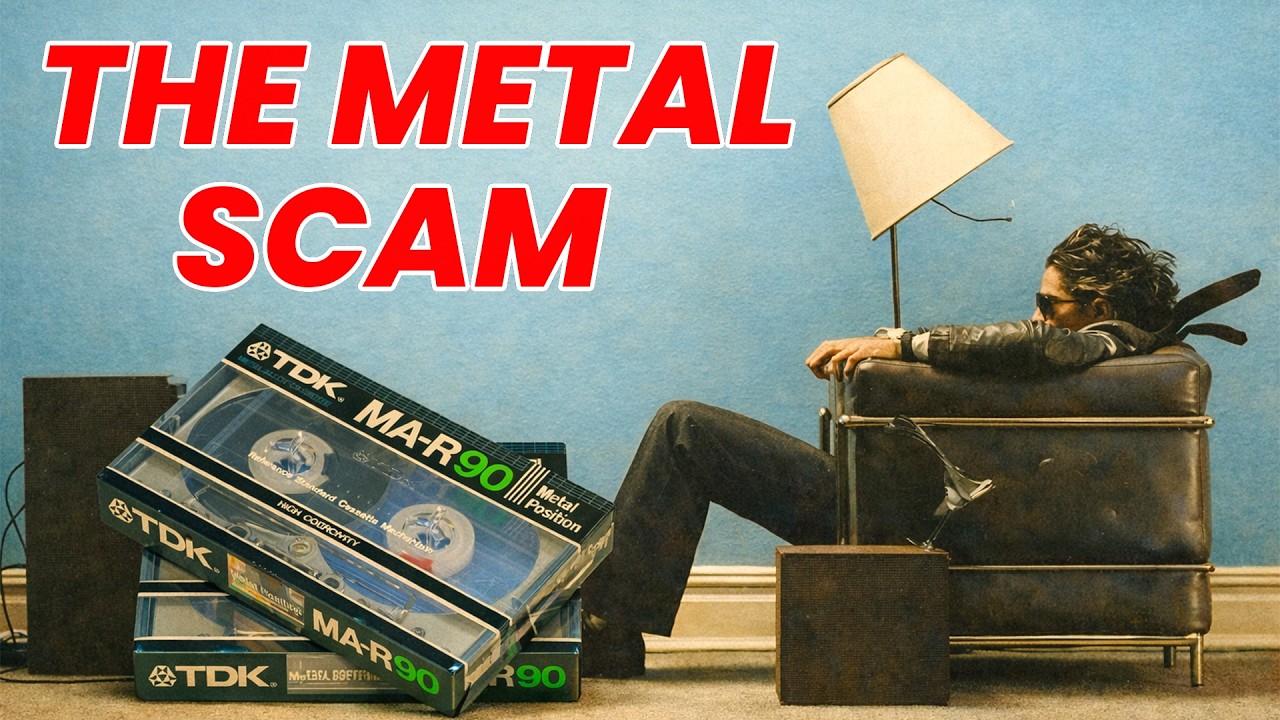
The RUTHLESS 1980s Cassette Wars That FOOLED America (And Vanished)
- English (US)
The cassette wars reveal a strategic lesson buried under nostalgia: consumer technology categories are won by emotional positioning, then killed by the architects of their success. TDK, Maxell, and Memorex didn't compete on tape chemistry—they sold identity. Sony, the company that made cassettes a lifestyle via the 1979 Walkman, simultaneously engineered their successor.

Britain Could Afford to Lose Every War. Here's Why
- English (US)
Military history's most counterintuitive lesson: the empire that dominated 200 years lost battles constantly. Britain's strategic genius wasn't tactical brilliance—it was financial architecture so robust that defeat became affordable. While France defaulted 8 times between 1500-1800 and Spain defaulted 6 times in a single century, Britain paid every debt, every time.
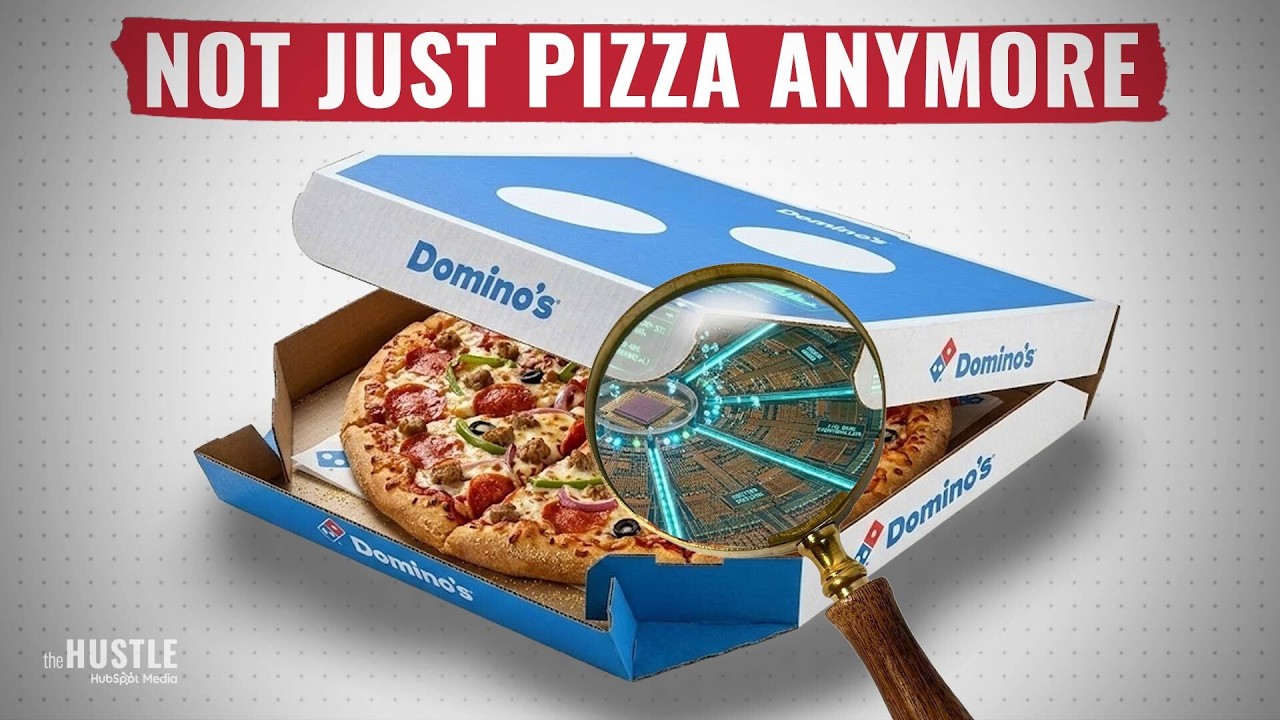
How Domino's (Secretly) Became a Tech Company
- English (US)
The most counterintuitive turnaround in QSR history wasn't built on better pizza—it was built on broadcasting that the pizza was terrible. Domino's outperformed Google, Amazon, and Apple during the 2010s after ranking last in taste alongside Chuck E. Cheese. The mechanism reframes what corporate transparency can accomplish strategically.
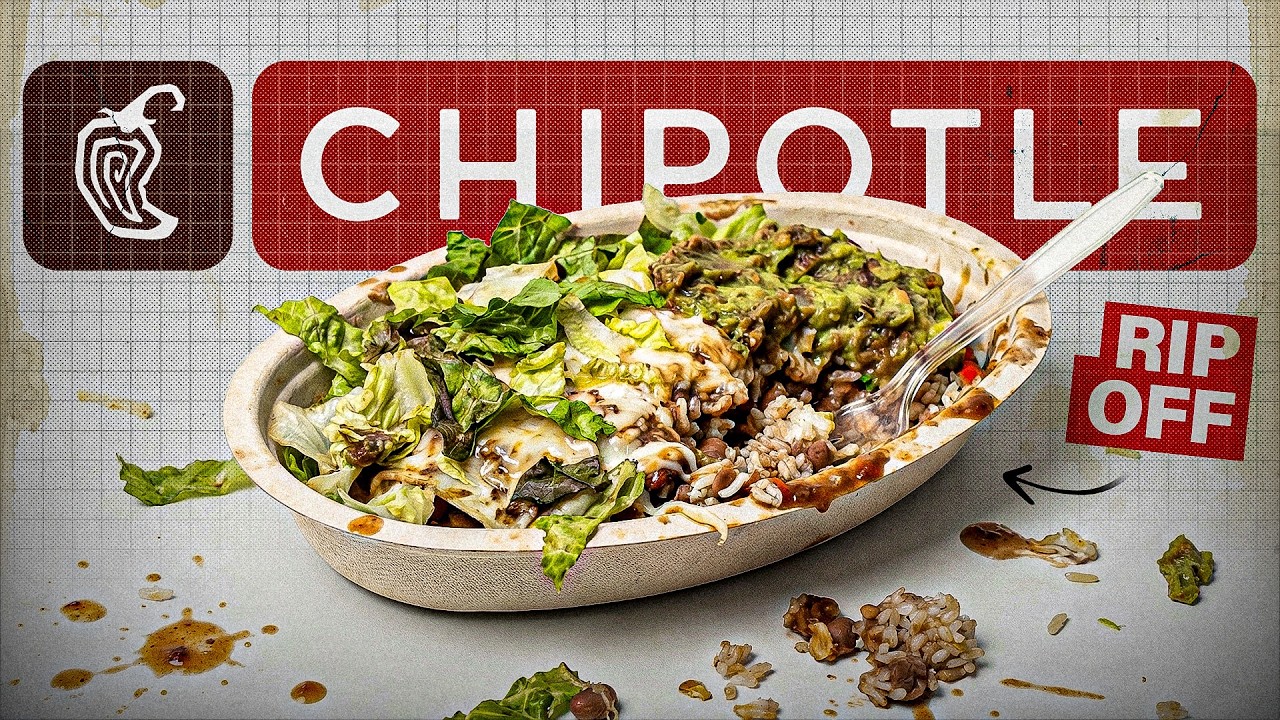
Chipotle — How $15 Bowls Bankrupt a $50B Dream
- English (US)
Chipotle's unraveling reveals a governance flaw obscured during ascendance: tying a 770% stock run to one executive's vision creates concentration risk indistinguishable from structural strength until the executive departs. When Brian Niccol left for Starbucks in August 2024, the stock dropped 10% immediately—and 18 months later, a third of market cap had evaporated to roughly $51B.