
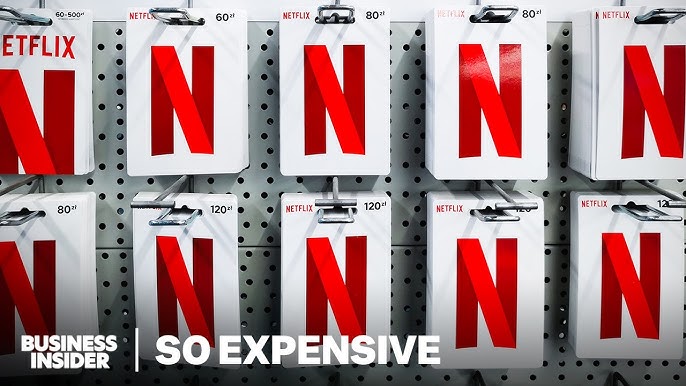
Why Owning Nothing Is So Expensive
Subscriptions don't optimize for consumer value—they exploit behavioral inattention to extract maximum revenue from inertia. The counterintuitive mechanism: companies earn 200% more from subscriptions versus transparent pricing because consumers are four times less likely to cancel automatic renewals, enabling systematic value transfer through opaque lifetime costs and deliberate cancellation friction. The strategic architecture reveals three compounding layers: technological enablement (cable 1970s, internet 1990s, smartphones 2000s transformed one-time purchases into perpetual access fees), behavioral exploitation (Adobe's 2012 Creative Cloud transition quintupled revenue to $21.5B by 2024 through forced bundling and early-termination fees executives called "heroin-like" addiction), and ownership erosion (84% of 2024 music revenue from streaming versus 11% physical, eliminating resale rights and intergenerational transfer). HP's printer subscription exemplifies the model: $8 monthly appears cheaper than $160 outright purchase, yet 24-month commitment costs $192 while explicitly denying ownership after full payment. The regulatory implication: without universal click-to-cancel mandates, companies retain asymmetric cancellation friction enabling perpetual rent extraction from what consumers believed were purchases. 5 Timestamps 00:00:41 HP printer subscription costs $192 over 24 months versus $160 purchase price—yet terms explicitly state users never own device even after completing full payment term 00:06:29 Behavioral inattention economics: automatic renewals make consumers four times less likely to cancel, enabling companies to earn 200% more revenue than transparent pricing models 00:07:38 Adobe Creative Cloud transition (2012) increased revenue from $4B to $21.5B by 2024—forced subscription bundling extracted five times more than perpetual license model 00:11:45 Adobe executive described early-termination fees as "heroin" for company addiction—cancellation revenue so critical it designed opaque commitment terms to maximize fee extraction 00:16:02 Ownership collapse in media: 84% of 2024 music revenue from streaming versus 11% physical—eliminates secondary markets, resale rights, and intergenerational transfer permanently
Recommended
The Trendslop Trap: Why AI Generates Mediocrity Instead of Strategy
The RUTHLESS 1980s Cassette Wars That FOOLED America (And Vanished)


Review
Add Review
You have to Sign In to share the review
Not Rated Yet