
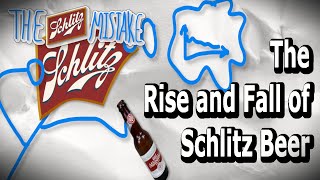
The Schlitz Mistake - The Rise and Fall of Schlitz Beer
Why Brand Management Strategists Rewatch This 18-Minute Quality Degradation Case Study Schlitz was America's biggest beer producer in 1952, holding world record for most beer produced annually. By 1982, hostile takeover by Stroh—brand so worthless it "even killed the company that bought it as Stroh Brewing never recovered from debt." The "Schlitz mistake" named entire phenomenon: "company gradually degrades its product step by step until nobody buys it and company fails." The Hawaii warning sign at 07:49 exposed playbook preview: Primo beer captured 70% Hawaiian market share in 1963, Schlitz cut costs by shipping dried wort from Los Angeles instead of local brewing in 1971. "Hawaiians immediately noticed change in quality"—market share dropped from 70% to 20% by 1975. "This example should have been massive warning but parent company would face similar problems year later." The five-step quality destruction at 09:57 quantifies degradation: switched barley for corn syrup, cheaper ingredients, heat fermentation creating "hazing" (yeast clumps), added silica gel, then switched to "chill guard" anti-hazing agent that "caused beer to have snot-like consistency." Recalled 10 million bottles costing millions—"long-term Schlitz drinkers just abandoned product, never came back." The threatening ad campaign disaster at 13:27 finished collapse: "Drink Schlitz or I'll kill you" commercials featuring tough men "threatening anyone that would take their Schlitz away"—removed after 10 weeks but "damage already done, ran during Super Bowl." Strategic lesson: incremental cost optimization invisible at each step creates catastrophic cumulative brand destruction—"steps from A to B and B to C might be very tiny and unnoticeable but it all added up, steps from A to M add up to one big disaster." 5 Key Timestamps: [03:39] The Uncontested Golden Age Peak – Schlitz became "biggest beer producer in USA in 1902, first company to adopt now standard brown bottle preventing light damage." Set world record 1952 for "most amount of beer produced in year, something like 6 million barrels"—remained America's biggest until 1958 when Anheuser-Bush overtook them, "after that Schlitz never becomes America's biggest again, just sort of remain second biggest until 1976 dropped down into fourth" [07:49] The Hawaii Primo Warning Sign Ignored – Primo beer captured 70% Hawaiian market after Schlitz bought Hawaii Brewing Corporation in 1963, "quickly became known as premium beer." In 1971 "decided to cut cost shipping dried wort from Los Angeles" instead of local brewing—"negatively affected taste, Hawaiians immediately noticed change in quality." Market share dropped from 70% to 20% by 1975. "This example should have been massive warning about dangers of trying too hard to cut cost but year later in 1976 main Schlitz parent company would face similar problems for similar reasons" [09:57] The Five-Step Quality Degradation Cascade – Starting 1967, president Robert Uihlein Jr. initiated cost-cutting: "switched barley and sugar for cheaper corn syrup, started switching other ingredients for cheaper alternatives, used heat fermentation speeding up process but caused hazing (yeast clumps together), added silica gel bonding to prevent clumping." By 1976 "drinkers began noticing dipping quality after each step, became very skeptical towards Schlitz brand—Schlitz Light failed despite calorie-light industry booming, indication people didn't trust Schlitz anymore" [11:29] The Chill Guard Snot Beer Catastrophe – Final step 1976: worried government would force listing artificial chemicals on label, "decided to switch to anti-hazing agent that would be filtered out during production so wouldn't have to list it, known as chill guard." Unknowingly "made hazing process worse, caused beer to have snot-like consistency—proved to be final straw." Recalled "over 10 million bottles costing millions, causing long-term Schlitz drinkers to just abandon product, never came back—steps from A to B and B to C might be very tiny and unnoticeable but it all added up, steps from A to M add up to one big disaster" [13:27] The Threatening Advertisement Campaign Finale – Damage control involved contacting Leo Burnett Company for campaign to "win back all fans their corner cutting had cost them." Advertisements featured "tough macho men threatening anyone that would take their Schlitz away"—quickly dubbed "drink Schlitz or I'll kill you adverts, many people found them quite threatening confrontational and scary." Removed after "only 10 weeks but by then lot of damage already done, those ran during Super Bowl which is very big in America"—federal indictment for illegal marketing (pressuring retailers to exclusively stock Schlitz) proved "final nail in Schlitz's coffin, whatever was left of fragile reputation just gone"






Not Rated Yet