
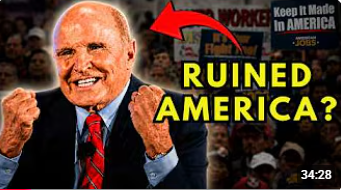
How Just One Man Destroyed America's Manufacturing Industry
- English (US)
General Electric's 1953 annual report boasted of balancing workers, shareholders and customers evenly. By 1999, its chairman was crowned Manager of the Century for dismantling that exact balance — and calling it genius.
The Trendslop Trap: Why AI Generates Mediocrity Instead of Strategy
- English (US)
Seven leading AI models, tested across dozens of industries with complex strategic questions, produced functionally identical answers regardless of context — Harvard Business Review researchers named this convergence phenomenon "trendslop."
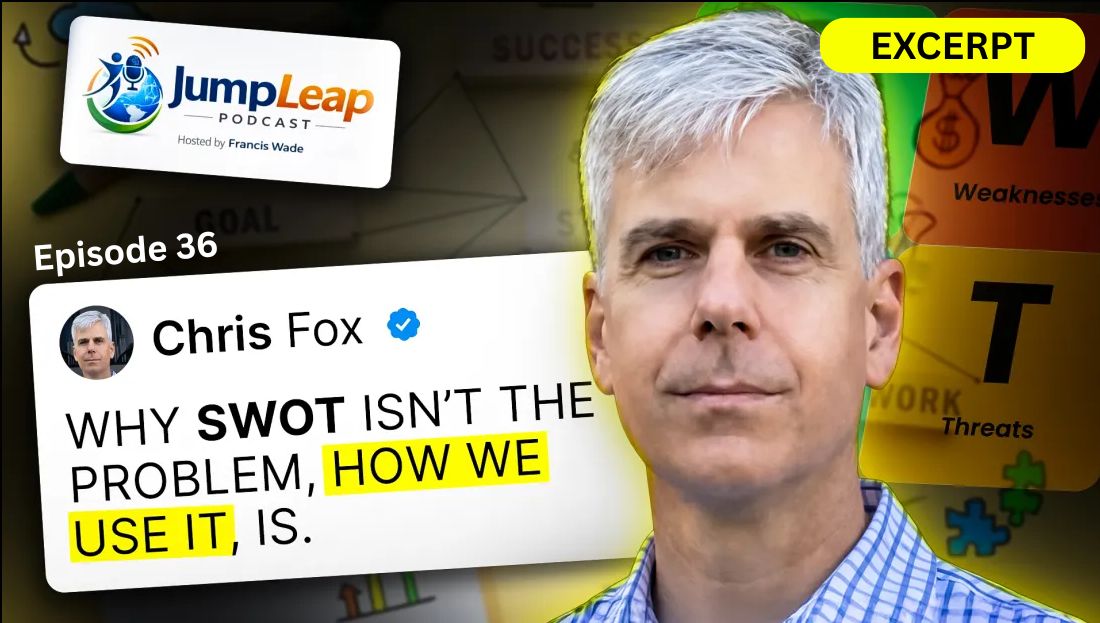
Ep 36 Why SWOT Isn't the Problem: How We Use It Is
Today, your executive team fills SWOT boxes in 90 minutes and calls it strategy. Tomorrow's competitive landscape will punish that superficiality mercilessly. Chris Fox predicts the emerging standard: double-barreled insight generation that combines intellectual analysis with visceral pattern recognition. The companies that master this before 2027 will spot their Kodak moments early enough to pivot. The rest will wonder why their strategy sessions produced such weak insights while competitors transformed entire business models. This conversation reveals the magnitude gap that will separate strategic survivors from casualties.
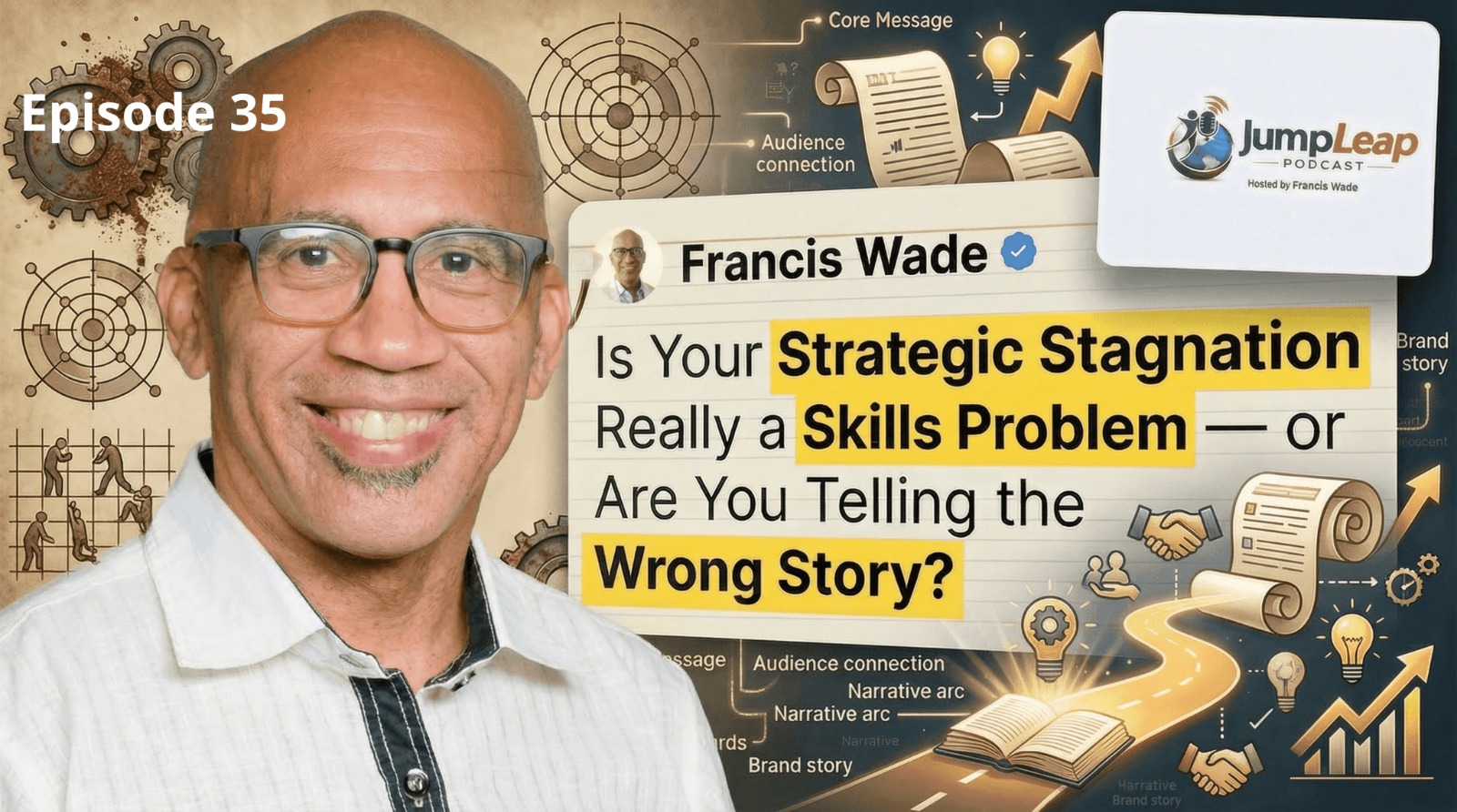
Ep 35 - Your Strategic Stagnation Isn't a Framework Problem—It's a Story Problem
You're in a strategy retreat. You see an opening to shift the conversation—a strategic insight you know could change the trajectory. You speak up with confidence. And then... blank looks. Awkward silence. The room moves on as if you hadn't spoken. This episode exposes what elite strategists do differently: they've built pattern libraries from accumulated case exposure that allow them to deploy diagnostic stories, pattern stories, and origin stories in the moment—not in PowerPoint decks afterward.
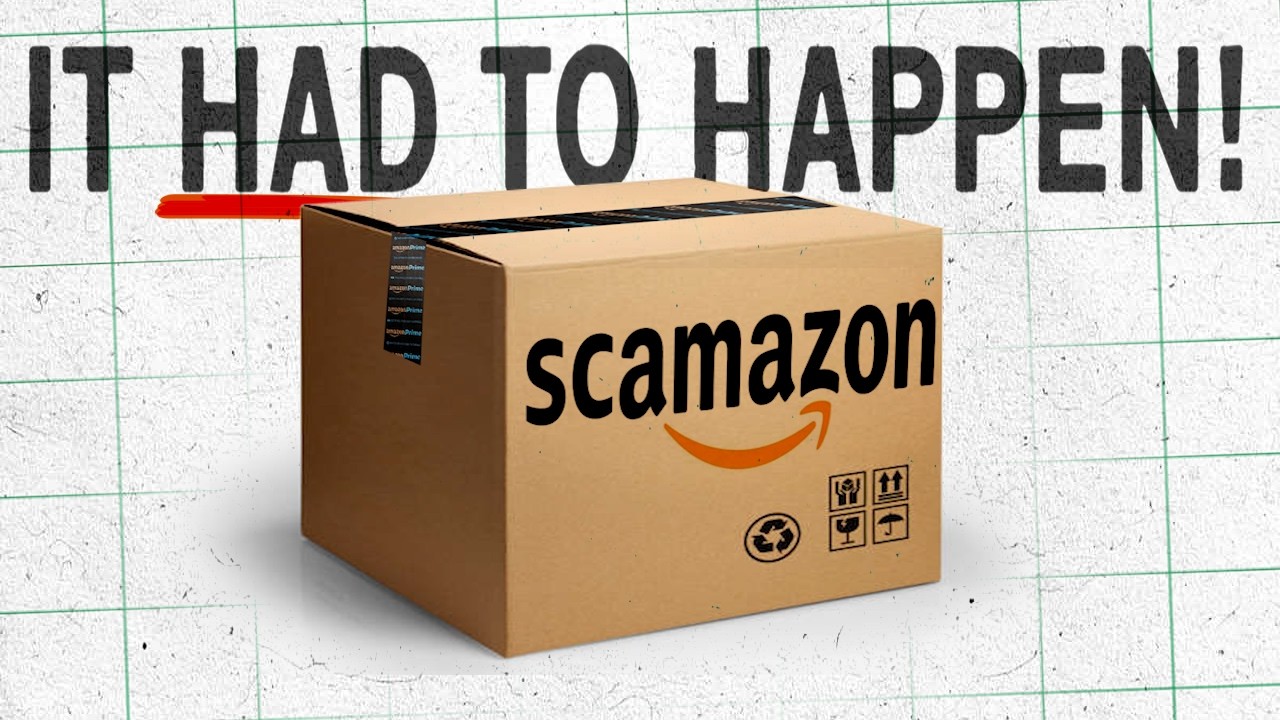
Amazon's Inevitable Enshitification...
- English (US)
Amazon's customer obsession was always going to curdle—not because of mismanagement, but because the unit economics of online retail mathematically forbid sustaining a loss-leader marketplace at scale. The company that built the world's most efficient distribution network is now extracting value from every stakeholder simultaneously because its core retail operation barely turns a profit even with petabytes of data and captive Prime subscribers.
When Being Better Isn’t Enough...The Fall Of Slack
- English (US)
Slack's defeat by Microsoft Teams demonstrates a counterintuitive principle: superior product quality cannot overcome inferior distribution economics. Slack invented business messaging, achieved a $1.1B valuation in eight months without an outbound sales team, and grew via pure word-of-mouth—yet Teams captured 37% market share to Slack's 13% by bundling rather than competing.

Orlando — How To Ruin A City
- English (US)
Urban planning's most instructive failure: a city of 3M+ residents systematically optimized for visitors who don't vote. Orlando's dysfunction isn't accidental—it's the predictable output of strategic choices that prioritized one corporation's economic logic over municipal coherence. Disney's 1965 acquisition of 40 square miles of swampland (twice Manhattan) via shell corporations established the template.
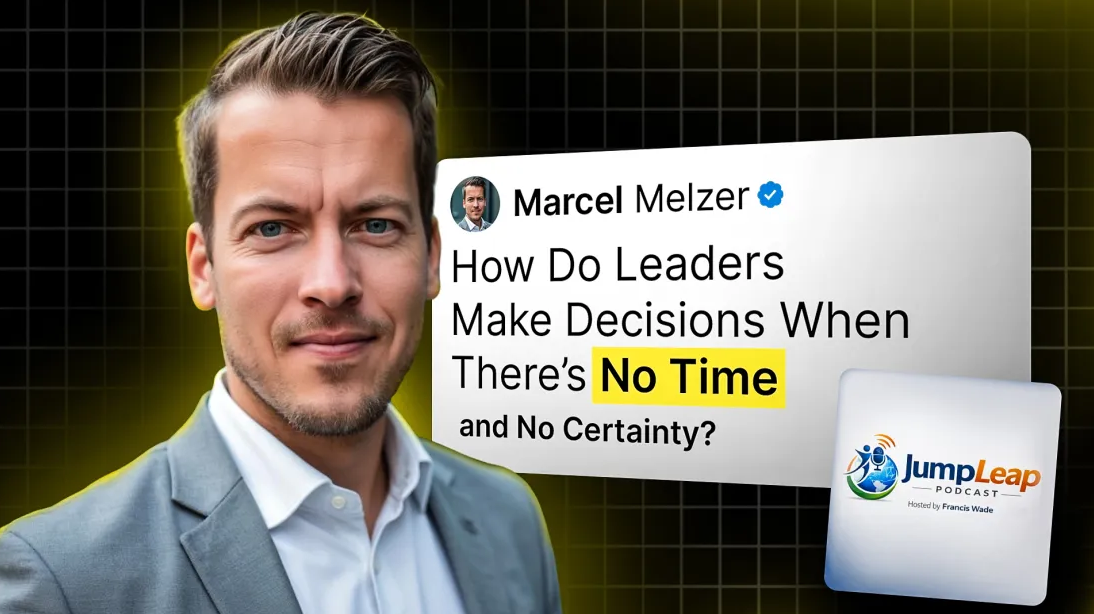
Ep 34 - How Do Leaders Make Decisions When There's No Time and No Certainty?
Your company is bleeding. The tariff just hit. Your board wants answers. You have 48 hours. But sometimes the brutal truth is that the warning signs were there 20-years ago.

The Inside Story of ASML's Focus and Business Strategy
The world's most powerful technology monopoly controls 90% of chip lithography while owning almost none of its supply chain. ASML's paradox: extreme market concentration built on deliberate dependency—80% of each machine manufactured by external partners—creating an ecosystem that absorbs industry cyclicality rather than internalizing it.
Warner Bros: How a $82B Industry Titan Collapsed
- English (US)
Warner Brothers' dissolution reveals how financial engineering destroys cultural institutions when leadership optimizes for balance sheets over franchise value. The counterintuitive tragedy: cost-cutting CEO David Zaslav's "content impairment" strategy—vaulting completed $90M Batgirl film for tax write-offs, removing HBO branding from Max, simultaneously releasing theatrical films on streaming—accelerated rather than arrested terminal decline.
Ep 33 - From Laundrylist, Wishlist or Checklist to a Game-Changing Strategy
Picture two teams in your company, six months apart. The first team is drowning. They have 47 "strategic initiatives" on their list, no clear way to prioritize, and every meeting devolves into debates about resources. Morale is terrible, and nobody can articulate what they're really trying to accomplish.

Monetizing Expert: Your Pricing Is Killing Your Startup
Pricing isn't an afterthought—it's a strategic weapon most founders deploy too late. The counterintuitive reality: testing willingness-to-pay before building product prevents the billion-dollar mistake of training customers to expect more for less.