

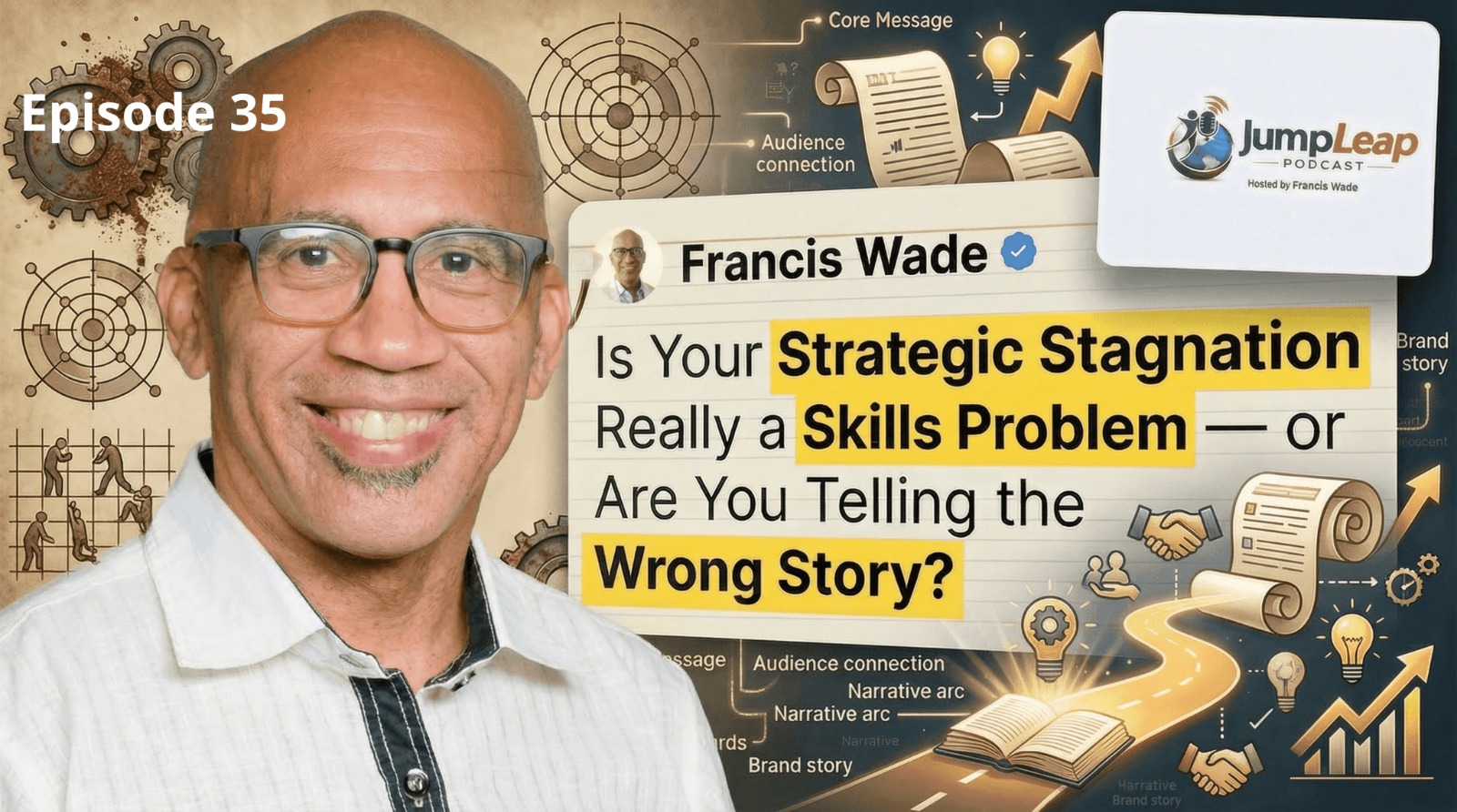
Ep 35 - Your Strategic Stagnation Isn't a Framework Problem—It's a Story Problem
You're in a strategy retreat. You see an opening to shift the conversation—a strategic insight you know could change the trajectory. You speak up with confidence. And then... blank looks. Awkward silence. The room moves on as if you hadn't spoken. This episode exposes what elite strategists do differently: they've built pattern libraries from accumulated case exposure that allow them to deploy diagnostic stories, pattern stories, and origin stories in the moment—not in PowerPoint decks afterward.
Butch Stewart: From Selling ACs to Becoming the Tourism King of Jamaica
The most durable hospitality brands aren't built on location or luxury—they're built on positioning so precise it eliminates competition entirely. Butch Stewart's trajectory from $3,000 AC importer to Caribbean resort empire reveals a strategic logic most operators never locate.

The Fall of Levi Strauss Factories
Levi Strauss executed a $3.3 billion leveraged buyout in 1996—precisely when sales peaked at $7.1 billion. As market share collapsed from 50% to 26%, debt service prevented competitive response. The company missed baggy jeans, premium denim, and teenagers entirely while competitors captured every segment.
The Downfall of Bethlehem Steel
Bethlehem Steel built 80% of New York's skyline and more warships than any American company—then vanished. The failure wasn't foreign competition or union demands: it was Eugene Grace's 40-year reign creating a culture where innovation meant career suicide and outdated methods became sacred policy.
Epic Disruptions: Insights from Scott D. Anthony
Disruption's deadliest trick: revenues spike before the crash. Research in Motion tripled revenue after iPhone launched—then tripled again—before falling off a cliff. Data becomes conclusive only when it's too late to act, making pattern recognition the superior strategic instrument.

Monetizing Expert: Your Pricing Is Killing Your Startup
Pricing isn't an afterthought—it's a strategic weapon most founders deploy too late. The counterintuitive reality: testing willingness-to-pay before building product prevents the billion-dollar mistake of training customers to expect more for less.
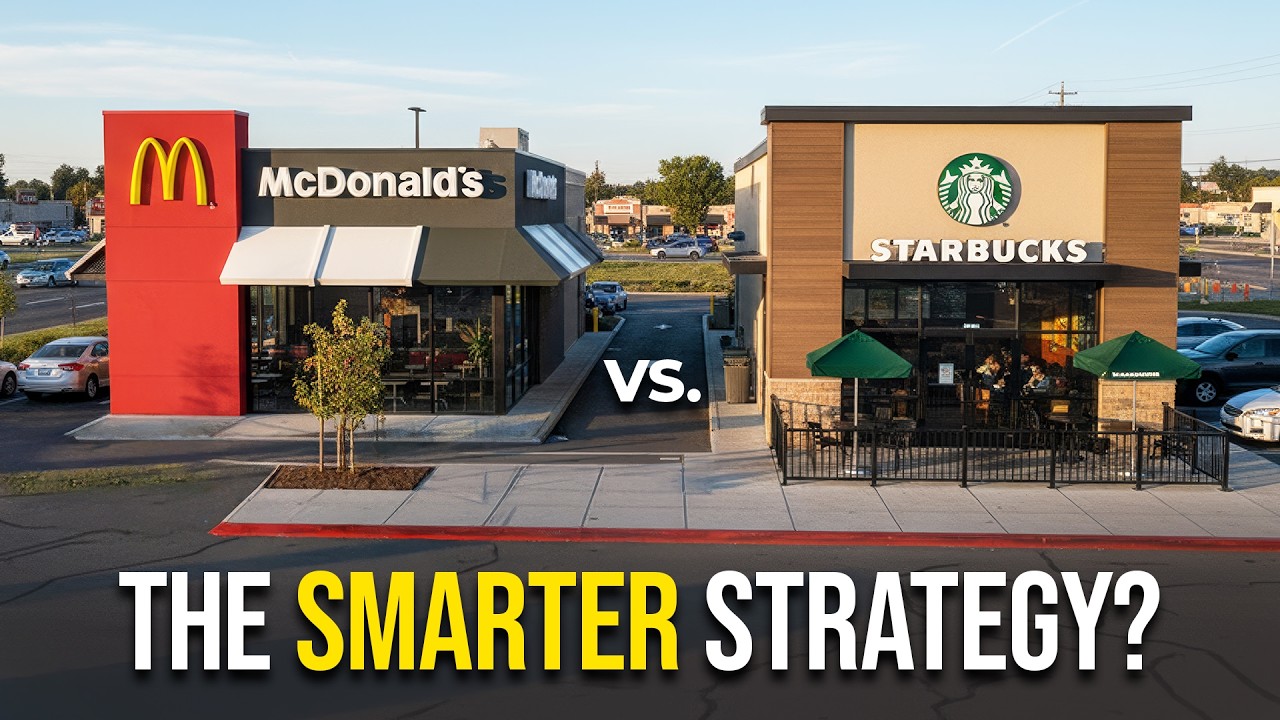
McDonalds owns their real estate. Why doesn’t Starbucks?
McDonald's real estate strategy isn't universally optimal—it's contextually brilliant. The paradox: Howard Schultz deliberately rejected Ray Kroc's proven billion-dollar playbook despite identical expansion ambitions, yet both built 40,000+ location empires.
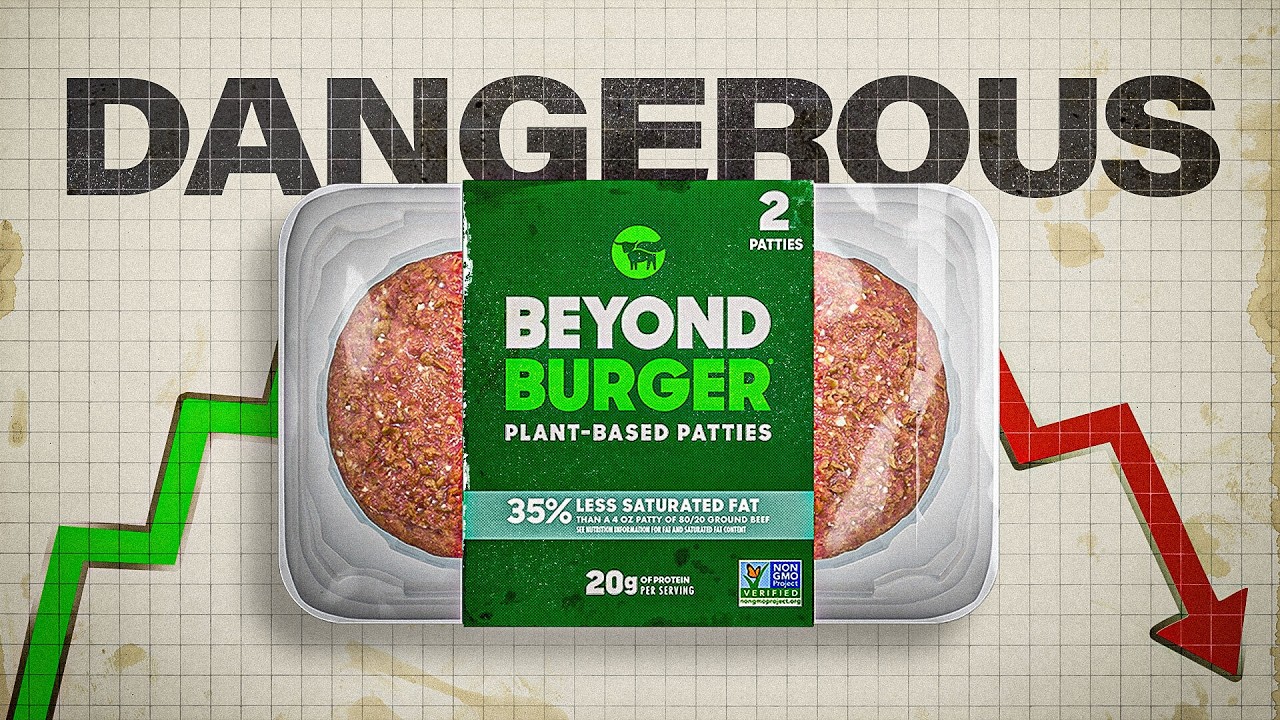
Beyond Meat: From $10 Billion Darling to Penny Stock
Beyond Meat's trajectory reveals how narrative capitalism collapses when product economics fail. The counterintuitive lesson: celebrity endorsement and values-aligned positioning cannot indefinitely subsidize fundamental unit economics deficiencies.
Why Every App is Getting Worse On Purpose
Platform decay isn't market failure—it's calculated extraction. The counterintuitive reality: today's worst user experiences represent optimized business models, not broken ones. Companies deliberately degrade products because friction generates more revenue than satisfaction.
The Rise of America's Largest Gas Station BUC-EE's
Buc-ee's defied gas station commodity economics by deliberately rejecting 18-wheelers and building cult following through obsessive cleanliness—transforming pit stops into must-see destinations generating $959M revenue from 35 Texas locations before interstate expansion.

Skype: What Went Wrong?
Skype pioneered internet calling with 170M users by 2011, sold to Microsoft for $8.5B, then collapsed when COVID created perfect conditions—Zoom captured 50% market share in months while Skype's 17-year head start evaporated.
Dropbox: When Ignoring Big Tech Backfires
Dropbox pioneered cloud storage but now executes a harvest strategy—borrowing $2B in 2024 purely for share buybacks while paying users flatlined three years straight. The counterintuitive lesson: being first means nothing when your core product becomes a loss leader for trillion-dollar ecosystems.